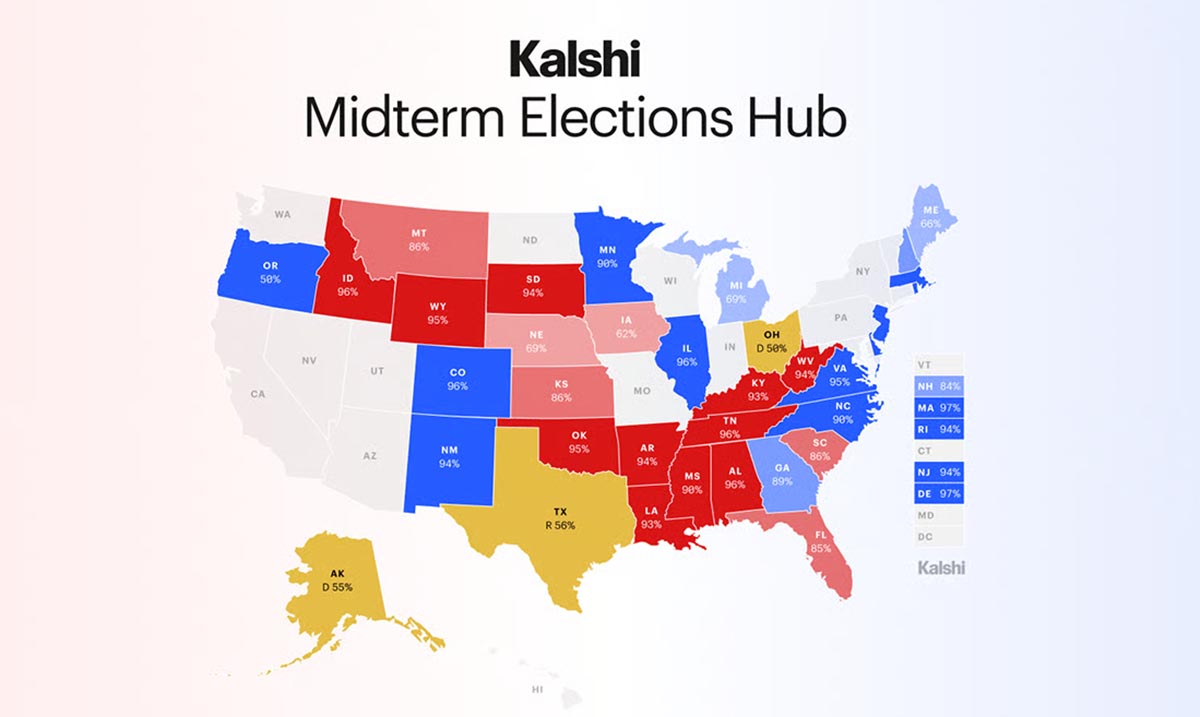
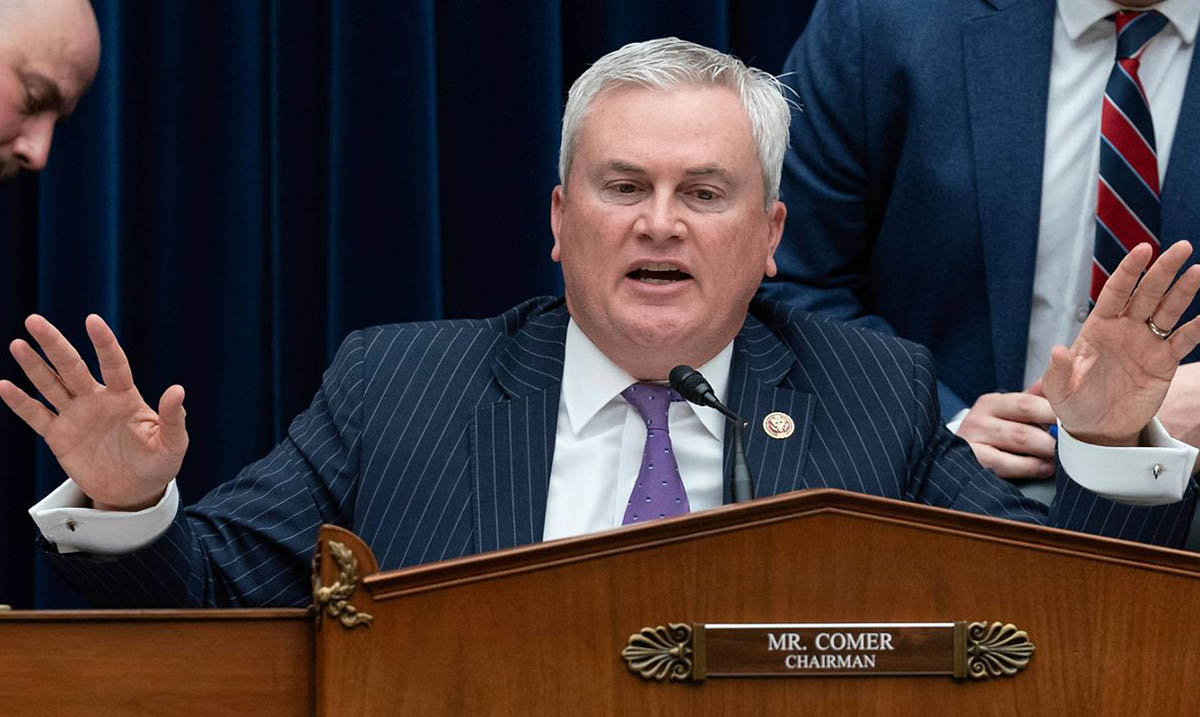
House Oversight Committee Chairman James Comer has launched a sweeping congressional probe into insider trading on Kalshi and Polymarket. In letters sent Friday to CEOs of both prediction market platforms, Comer demanded comprehensive records by June 5 regarding user safeguards and suspicious trading patterns.
This investigation highlights already public, but troubling cases where individuals appear to have profited from nonpublic government information. Is this truly serious, or just another Congressional panel jumping on a hot news topic mostly for show? We’ll see.
House Oversight Committee Targets Suspicious Trades and Compliance Failures in Kalshi Polymarket Investigation
Chairman James Comer, a Kentucky Republican, directed pointed letters to Polymarket CEO Shayne Coplan and Kalshi CEO Tarek Mansour. These missives seek detailed information on know-your-customer procedures, geographic controls, and methods for spotting anomalous activity. Both CEOs have spoken extensively and publicly about security and integrity measures on their platforms, as we’ve covered here extensively on PolyPunter. So don’t expect any new information from the CEO’s responses.
Committee members want to determine whether current systems prevent exploitation by those who hold classified information. While this expressed concern isn’t new, Congress clearly has tremendous potential to sway the future of the regulation of prediction market activity. Consequently, the House Oversight probe has captured widespread attention across financial and political circles. Expect Coplan and Mansour to be grilled when the cameras are rolling.
One case that received a ton of attention involves a U.S. Army soldier who reportedly earned $409,000 by betting on a classified operation in Venezuela — the Maduro Raid. Heavy wagering from crypto wallet accounts also occurred hours before key U.S. and Israeli actions related to Iran, fueling obvious suspicions of information leaks.
Lawmakers from both parties have expressed frustration over these patterns and demanded action. The Senate has already passed a rule banning its own members from trading on prediction markets. The House will soon. No word yet on stock market trading, of course.
Core Demands Issued in Letters to Kalshi and Polymarket Executives
| Request Area | Specific Information Demanded |
|---|---|
| Identity Verification | Full KYC standards applied to all users |
| Geographic Restrictions | Measures blocking unauthorized access from restricted areas |
| Anomalous Activity | Analyses of suspicious trades and detection processes |
| Internal Records | Discussions on armed conflict contracts and reputational risks |
Comer has indicated that findings from this congressional investigation may prompt legislation barring government officials from placing bets on policy-sensitive events. During a recent CNBC appearance, Comer stressed the urgent need for action. Political figures keep pointing to the same few examples of potential insider information over and over again. Though there’s no doubt this is a highly sensitive and potentially destructive problem, even if not commonplace.
Suspicious Betting Patterns Drive Calls for Stronger Kalshi Polymarket Oversight
Betting surged on Polymarket ahead of sensitive military moves, leading committee members to question information flows within government. Democrats in Congress urged subpoenas into Iran-related contracts, which helped accelerate the Committee’s broader inquiry.
While both Polymarket and Kalshi have been extremely responsive to expressed concerns and have cooperated openly, the high-profile nature of recent activity has led lawmakers to conclude that this issue warrants a red alert. The probe underscores how quickly these issues can escalate when you combine genuine concern with media attention.
Chairman James Comer explains the insider trading investigation during a CNBC interview.
Critics of current verification processes argue that they don’t do enough to stop exploitation by connected individuals. Meanwhile, prediction market operators and their supporters point to recent enhancements in automated flagging capabilities and review of concerning accounts.
Market Reactions To Kalshi Polymarket Congressional Investigation
Some traders view these high-profile probes with trepidation, concerned for the long-term positions they may hold in the markets. Others interpret the focus as recognition of these platforms’ rising prominence in financial discourse and a sign that they are here to stay. Enhanced Congressional oversight and regulation can be a sign of a new sector becoming ingrained in American life. As in, we know you’re here to stay, so now we’re getting ourselves involved.
The materials delivered by the CEOs by June 5 will shape subsequent phases of consideration. This is Congress. And the Oversight Committee, in particular, is not afraid of showboating for the cameras.
References
- House Oversight Official Release on Probe
- The Block Coverage of House Probe
- CNBC Report on Comer Investigation
- CoinDesk Analysis of Congressional Action
- NY Post on Demands to CEOs
- NYT Story on Polymarket Bets
- Yahoo Finance on Republican Inquiry
- Barron’s Coverage of Oversight Launch
- The Hill on Bipartisan Concerns