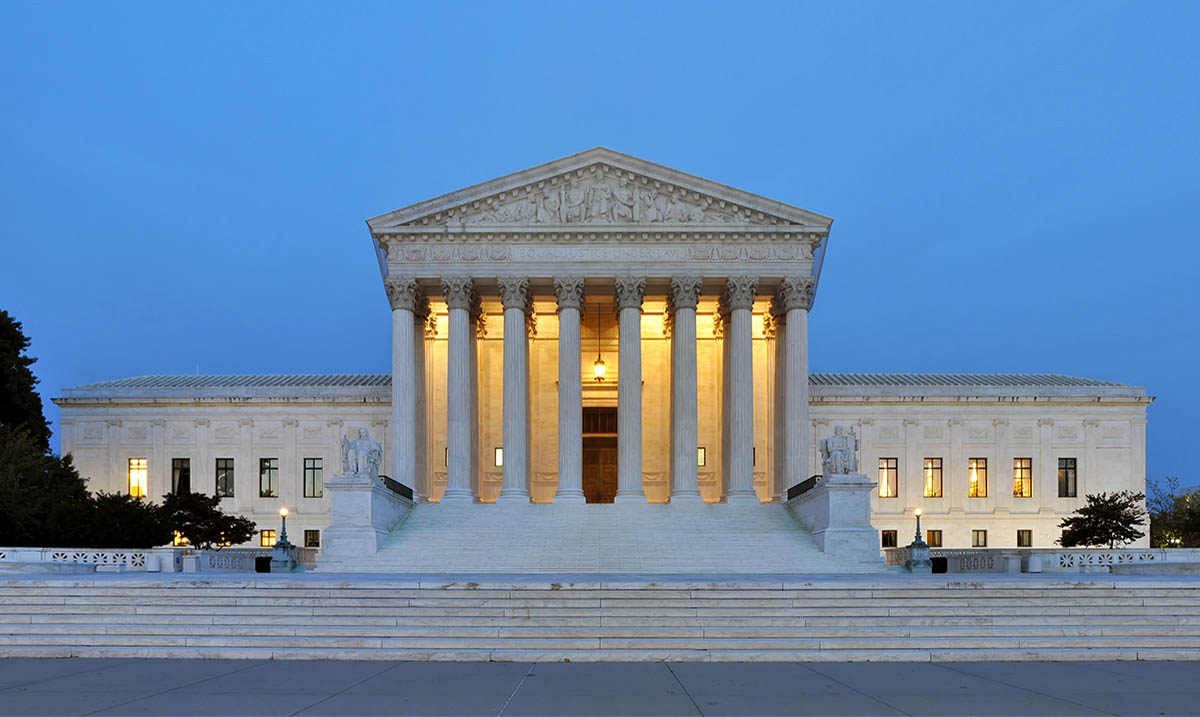

Tension gripped the Ninth Circuit courtroom on April 16, 2026, as lawyers for Kalshi, Nadex (operating as Crypto.com Derivatives), and Robinhood Derivatives defended sports event contracts against state gaming enforcement actions. Judges Ryan Nelson, Bridget Bade, and Kenneth Lee grilled counsel on whether these sports event contracts qualify as swaps under the Commodity Exchange Act. Platforms pushed hard for CFTC exclusive jurisdiction that would block conflicting state rules on sports event contracts and prediction market oversight.
Nadex counsel opened arguments by stressing the broad definition of “swap” in Dodd-Frank, which covers both events and their outcomes. The panel expressed skepticism about separating these sports event contracts from traditional wagers. Nadex maintained that pricing mechanisms and exchange trading create a clear distinction from ordinary sports betting in the Ninth Circuit event contracts appeal.
Kalshi Nadex Robinhood Argue for CFTC Exclusive Jurisdiction Over Sports Event Contracts in Ninth Circuit Oral Arguments
Kalshi counsel addressed state interference with exchange-listed contracts in the elections and sports sectors, citing prior cases. The lawyer emphasized that CFTC permission for listings overrides gaming concerns within the regulatory boundaries of event contracts. Robinhood counsel wrapped up by arguing that Rule 40.11 imposes no blanket prohibition on properly certified offerings of sports event contracts.
Judges demanded explanations for why exchanges and brokers avoid liability after self-certifying contract categories. CFTC counsel outlined a split-track regulatory model where the agency oversees exchange transactions and states handle off-exchange activity. Counsel highlighted that sports-event contracts differ from traditional casino-style gaming in the context of CFTC-exclusive jurisdiction claims.
Nevada counsel Nicole Saharsky countered that the contracts encroach on state-regulated sports betting in the absence of explicit congressional preemption of gaming laws. Saharsky pointed to CEA carve-outs that require clear statutory language for federal overrides. The panel explored whether an absolute ruling on sports-event contracts was required in the Kalshi, Nadex, Robinhood Ninth Circuit hearing.
Key Arguments Presented in Ninth Circuit Oral Arguments on Sports Event Contracts Involving Kalshi Nadex Robinhood
| Party | Position on Swap Classification | Position on Preemption | Panel Reaction |
|---|---|---|---|
| Kalshi | The broad Dodd-Frank definition encompasses events and consequences | Contracts qualify as swaps, including those involving gaming outcomes | Probed examples from prior sports contract cases |
| Nadex | Broad Dodd-Frank definition encompasses events and consequences | Federal rules preempt state gaming enforcement on sports event contracts | Expressed skepticism on distinction from wagers |
| Robinhood Derivatives | Rule 40.11 does not prohibit listed sports event contracts | Self-certification meets CFTC standards for event contracts | Demanded clarification on certification liability |
| CFTC (Amicus) | Sports event contracts fall outside traditional gaming | Exclusive jurisdiction applies to designated contract markets trading event contracts | Pressed on Rule 40.11 enforcement details |
| Nevada Gaming Control Board | Contracts amount to illegal bets under state law | No clear CEA language preempts gaming regulation of sports event contracts | Explored financial stakes for state revenues |
The heated exchanges centered on Rule 40.11, excluding swaps linked to gaming or unlawful activities. CFTC counsel defended self-certification as compliant unless the agency objects. Platforms countered by detailing how sports event contracts support hedging without disrupting state sportsbooks in the Ninth Circuit appeal covered by this report.
Ninth Circuit Judges Scrutinize Congress’s Intent Regarding Event Contracts Preemption and CFTC Authority in Kalshi Robinhood Nadex Sports Event Contracts Case
Judge Nelson informed Robinhood counsel that platforms must obtain CFTC approval for sports-related contracts. Nelson described the CFTC as the designated gatekeeper that assesses the public interest before approving listings of event contracts. Counsel responded that self-certification complies with current regulations, and the agency raised no objections in the sports-event contracts dispute.

Saharsky warned that a platform’s victory would dramatically shift authority away from states over gaming. She outlined the massive financial consequences for states in which gaming revenues fund public services. Judges examined whether the CEA requires explicit preemption language to displace traditional state powers over sports-event contracts.
Prediction Market Platforms Insist Their Event Contracts Are Swaps
Platforms insisted their contracts produce financial consequences that satisfy swap criteria regardless of the underlying event. Nadex counsel argued outcomes and events intertwine in ways the district court missed. Kalshi counsel reiterated that the CFTC’s allowance of listings resolves Rule 40.11 issues regarding the regulatory boundaries of event contracts.
The panel repeatedly circled back to whether Congress, in the 2010 Dodd-Frank reforms, meant to transfer sports betting oversight from states. Robinhood counsel stressed that exchange-traded contracts differ structurally from direct wagers. Nevada counsel maintained that states retain power absent unambiguous federal carve-outs in the Ninth Circuit oral arguments on event contracts.
Consolidated Ninth Circuit Cases Driving Sports Event Contracts Legal Battle for Kalshi Nadex Robinhood
| Case Number | Primary Parties | Core Dispute |
|---|---|---|
| 25-7187 | Nadex (Crypto.com Derivatives) v. Nevada | Swap status and preemption of gaming laws for event contracts |
| 25-7516 | KalshiEX LLC v. Nevada Officials | Dissolution of injunction and state enforcement on sports event contracts |
| 25-7831 | Robinhood Derivatives LLC v. Nevada Officials | Broker access to event contracts under federal rules |
| 26-1304 | Nevada v. KalshiEX LLC | Remand and state court jurisdiction over event contracts |
These consolidated appeals arise from district court rulings classifying contracts outside CFTC swap protections. The cases contrast with the Third Circuit decision affirming Kalshi’s preliminary injunction on parallel grounds. Platforms seek a reversal to establish nationwide clarity regarding federal oversight of sports-event contracts.
CFTC counsel reinforced exclusive jurisdiction over trades on designated contract markets. The agency position backs preemption even for contracts involving sports outcomes. Nevada counsel challenged this by citing the lack of explicit statutory language that displaces state gaming rules governing event contracts.
Ninth Circuit Appeal Spotlights Regulatory Boundaries Tension for Sports Event Contracts Involving Kalshi Nadex Robinhood
Rebuttals from Nadex, Kalshi, and Robinhood emphasized the contracts’ hedging role and compliance with self-certification protocols. Counsel defended the CFTC’s exclusive jurisdiction model, separating exchange activity from off-exchange gaming. The panel kept probing whether Rule 40.11 functions as a prohibition or as a discretionary enforcement tool for sports-event contracts.
Saharsky reiterated that Congress knows how to preempt state gaming when it intends to, and that it failed to do so here. She urged the court against expanding federal power into traditionally state domains. Platforms countered that the Dodd-Frank reforms deliberately broadened the definition of swaps to include event-based derivatives at the Ninth Circuit hearing.
Could the CFTC Be Required to Approve Sports Gaming-Related Listings?
Judge Nelson seemed inclined toward reading Rule 40.11 as barring gaming-related listings without CFTC approval. Counsel for the platforms cited ongoing listings as evidence of regulatory acceptance. The CFTC maintained that sports-event contracts differ meaningfully from casino-gaming activities.
This confrontation highlights the high stakes for the legality of event contracts across federal and state lines. A decision favoring the platforms would cement CFTC dominance and curb state enforcement. An affirmance of district rulings would preserve state authority and risk creating a circuit split, thereby speeding Supreme Court review of sports-event contracts.
The Third Circuit ruling in favor of Kalshi provided a contrasting precedent that the Ninth Circuit panel considered carefully. Platforms relied on that decision to strengthen preemption claims. Nevada counsel dismissed parts of the Third Circuit analysis as overlooking key CEA limitations on event contracts.
Judges indicated they would move quickly on a ruling, given the consolidated appeals. The outcome has broad implications for how sports-event contracts navigate regulatory boundaries nationwide. Platforms continue to operate amid uncertainty as they await a decision that could reshape federal-state dynamics on event contracts.
Potential Circuit Split Emerges After Ninth Circuit Oral Arguments on Sports Event Contracts Involving Kalshi Nadex Robinhood
The Ninth Circuit panel of three Trump-appointed judges drew notice for its possible alignment with the administration’s support for CFTC jurisdiction. Yet questioning exposed skepticism toward broad preemption claims. The hearing built upon district court findings that placed sports-event contracts outside the scope of swap protections.
Platforms presented a unified defense centered on compliance with CFTC rules and the exclusive jurisdiction mandate. Counsel tied arguments repeatedly to the CEA text and the Dodd-Frank amendments. Nevada anchored its position in explicit congressional silence on gaming preemption for event contracts.
Coverage of the proceedings captured the intensity of the arguments, including details on time allocations and panel dynamics. One social media post shared the consolidated schedule and argument time division between sides. Such updates kept stakeholders informed throughout the Ninth Circuit hearing on sports event contracts.
The Ninth Circuit oral arguments delivered a sharp display of competing visions for oversight of event contracts. Kalshi Nadex and Robinhood presented a unified front rooted in federal authority. Nevada defended its longstanding role in regulating gaming within state borders.
Judges dissected statutory language and regulatory intent with precision, leaving both sides awaiting the forthcoming opinion. The decision promises to clarify boundaries between CFTC jurisdiction and state enforcement powers. Event contracts participants now watch closely for a resolution that could stabilize or disrupt current practices involving sports event contracts.
What Comes Next for This Prediction Markets Vs. State Regulators Case?
This landmark hearing advances the national conversation on how innovative financial products intersect with traditional regulatory frameworks. The platform’s case rests on broad definitions of swaps and preemption principles. Nevada anchors its position in explicit congressional silence regarding gaming preemption for sports-event contracts.
With the arguments complete, the Ninth Circuit turns to crafting an opinion that balances these interests. Platforms seek affirmation of CFTC supremacy to enable seamless nationwide operations for event contracts. State regulators aim to preserve authority over activities they view as betting.
The blend of federal derivatives law and state gaming statutes faces its clearest test yet through these Kalshi Nadex Robinhood appeals. Resolution here could influence parallel cases pending in other circuits. The legality of event contracts hangs in the balance pending the Ninth Circuit ruling on regulatory boundaries for sports event contracts.
References
- Kalshi, Nadex, & Robinhood Face Ninth Circuit Oral Argument
- Ninth Circuit panel appears to lean Nevada’s way in legal battle with Kalshi, Crypto.com
- Federal Appeals Court: CFTC Jurisdiction Over Sports Event Contracts
- Appeals Judges Signal Potential Trouble for Prediction Markets in Key Case
- Third Circuit Affirms Kalshi’s Preliminary Injunction
- 9th Circ. Judge Rips ‘Sophistry’ By Online Prediction Markets
- CFTC Reaffirms Exclusive Jurisdiction over Prediction Markets
- CFTC Amicus Brief
- Ninth Circuit oral arguments recap on event contracts