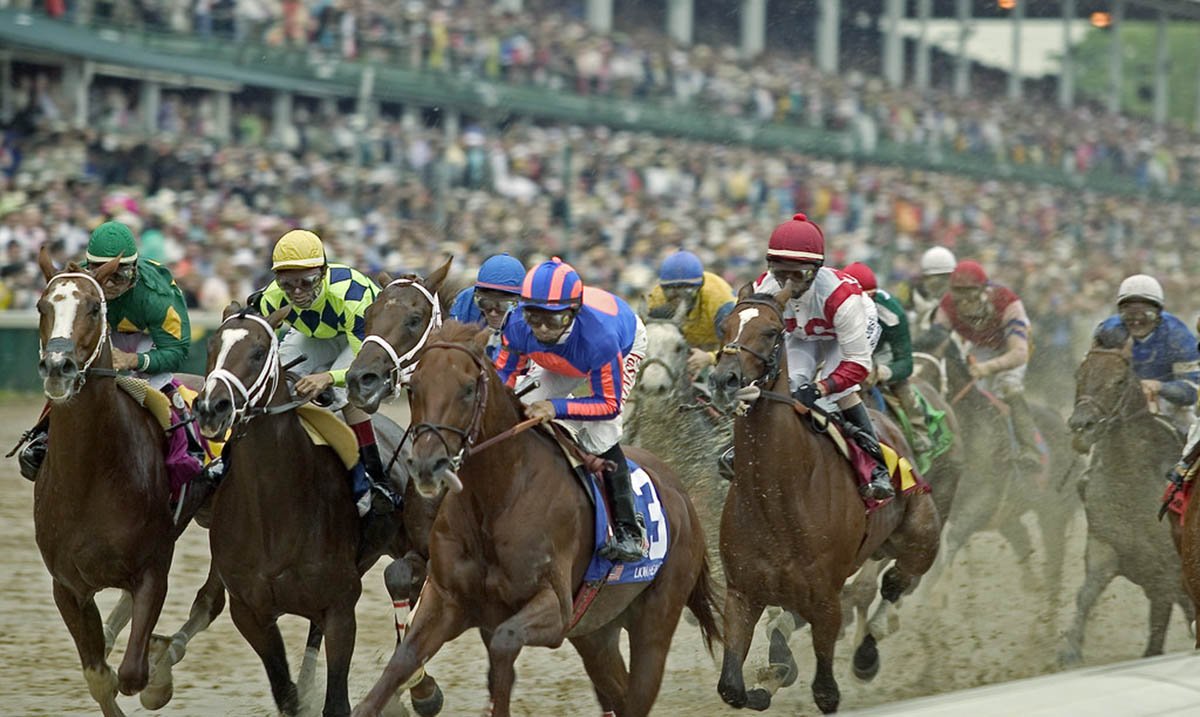
Churchill Downs took decisive action that leaves prediction enthusiasts without options as the 2026 Kentucky Derby nears. Polymarket briefly opened a contract for the Kentucky Derby winner, refunded all trades, and removed the page following a direct request from the track operator. Kalshi posted no contracts whatsoever for the event. This development highlights the powerful federal protections that shape wagering on America’s most famous horse race and forces bettors to traditional channels.
Churchill Downs Requests Immediate Removal of Polymarket 2026 Kentucky Derby Winner Contract
Polymarket listed the 2026 Kentucky Derby winner market, then swiftly shut it down. Churchill Downs spokesperson Breck Thomas-Ross confirms the company reached out and demanded the wagers be removed. Polymarket complied fully, refunding every position and redirecting users to an error page at the former contract URL. Kalshi maintains a complete absence of any Derby-related event contracts for 2026.
This swift enforcement protects the track’s control over its flagship event. Bettors seeking prediction-style trading on the Run for the Roses encounter a total blackout on major platforms. The episode underscores how horse racing leverages unique legal tools that other sports lack when confronting emerging wagering formats.
Timeline of Key Events in 2026 Kentucky Derby Prediction Market Restrictions
| Date/Event | Platform Action | Result |
|---|---|---|
| Late April 2026 | Polymarket opens 2026 Kentucky Derby winner contract | Brief trading begins |
| Days later (pre-May 1) | Churchill Downs requests removal under consent rules | Full refund and market deletion |
| Ongoing 2026 | Kalshi lists zero Derby contracts | No prediction trading available |
Interstate Horseracing Act of 1978 Details Reveal Strong Consent Requirements for Horse Racing Wagering
The Interstate Horseracing Act of 1978 established a comprehensive federal framework that governs all interstate pari-mutuel wagering on horse races. This statute explicitly grants host racetracks, horsemen’s groups, and state racing commissions the right to approve or withhold consent before any entity offers bets on their events across state lines. Consent functions as an intellectual property-style right that protects racing content and ensures revenue sharing flows back through authorized channels to support purses, breeding programs, and track operations.
National Thoroughbred Racing Association president and CEO Tom Rooney highlights how the Act requires express permission and leaves little ambiguity for platforms attempting to offer event contracts without it. The law differs markedly from state-by-state sports betting rules because it operates as dedicated federal legislation that preempts conflicting approaches. Prediction market operators, therefore, face heightened legal exposure if they proceed without approval, including potential civil actions or regulatory challenges from the tracks themselves.
Churchill Downs withholds consent for the Kentucky Derby and actively enforces its provisions by requesting the removal of unauthorized markets on platforms such as Polymarket. The Act also facilitates simulcasting revenue models that have sustained the industry for decades while adapting to modern wagering demands. Any bypass attempt risks undermining the tax revenues that states redirect to equine initiatives and could trigger enforcement actions that disrupt broader platform operations.
Record Derby Wagering Volumes Protected from Diversion
Churchill Downs reported record all-source wagering of 234.4 million dollars on the 2025 Kentucky Derby, plus hundreds of millions more across Derby week races. These figures generate taxes that fund purses, breeding, and operations. Economists note that diversion to unauthorized channels could shrink purses, reduce field sizes, and weaken long-term appeal. Polymarket previously handled around $ 1.2 million in offshore volume on a prior Derby, illustrating its potential scale.
Kalshi generates massive volume on other events yet posts no Derby contracts to avoid consent violations. The contrast reveals that the Interstate Horseracing Act successfully contains the threats posed by prediction platforms elsewhere. Bettors must therefore rely on authorized pari-mutuel pools and sportsbooks for all 2026 Derby action.
Platform Comparison: 2026 Kentucky Derby Betting Market Availability
| Platform | Derby Contracts Offered | Compliance Approach |
|---|---|---|
| Polymarket | Avoids the event to respect consent rules | Full refund after Churchill Downs request |
| Kalshi | None posted | Avoids event to respect consent rules |
Industry Leaders Balance Protection with Future Possibilities
Monmouth Park CEO Dennis Drazin expresses readiness to litigate against unauthorized bets yet remains open to industry-wide partnerships that expand reach without harming core revenue. Churchill Downs CEO Bill Carstanjen reinforces the need for express consent and focuses on growing the company’s own wagering ecosystem. The National Thoroughbred Racing Association continues advocating for strict CFTC guidance that honors the Interstate Horseracing Act.
These positions reflect a strategic defense of tradition while acknowledging prediction platforms’ ability to attract new audiences. Any future collaboration would require a broad consensus to maintain integrity across the sport. For the 2026 Kentucky Derby, the blockade channels all excitement and wagering through established, consent-based systems.
Bettors Adapt as Prediction Markets Skip the 2026 Kentucky Derby
Enthusiasts accustomed to real-time trading on major events now pivot entirely to licensed sportsbooks and TwinSpires for Derby wagering. The absence of Kalshi and Polymarket contracts intensifies focus on traditional pools and heightens the race’s cultural significance. Track operators report strong early betting trends that demonstrate the effectiveness of protective measures.
This situation positions the 2026 Kentucky Derby as a symbol of resilience for horse racing amid rapid changes in the betting world. Platforms respect boundaries here that they test elsewhere, preserving a revenue model that sustains the sport. Fans, therefore, prepare for a memorable Run for the Roses with all action flowing through authorized, industry-supported channels. The standoff also fuels ongoing discussions about balanced innovation that could benefit racing without undermining its foundations.
References
- ESPN – Why prediction markets might be skipping the Kentucky Derby
- In the Money Media – Why You Can’t Bet The Kentucky Derby on Kalshi
- Sports Handle – Prediction Markets and the Kentucky Derby
- Yahoo Sports – Polymarket Shuts Down Kentucky Derby Contracts
- Courier Journal – No Kentucky Derby betting options on Kalshi Polymarket