Published: November 19, 2026
Kalshi just opened the door for API traders to spin up their own weather contracts instead of waiting around for the exchange to list them. The first version covers custom rain markets that count how many hours see measurable precipitation at any latitude and longitude you pick inside the contiguous United States. Concert cancellation and postponement contracts are lined up to arrive next.
A trader feeds in a land point, a time window, and a threshold for hours that record at least 0.01 inches of rain. Nothing is live until that request hits the system and generates a ticker. From there, the trader can ask market makers for a quote on the exact size they want, keeping the conversation private until the trade is ready to hit the public book.
The whole setup is built for people who need a hedge that matches a real location and schedule, not a generic city-level market. It leans on the request-for-quote tools Kalshi already runs for larger traders, so the mechanics feel familiar once you get past the creation step.
How Traders Create Custom Rain Markets On The Kalshi API
Everything starts with a quick check against the Get Weather Point Market Availability endpoint. Right now, production only supports the precip_hours variable across the contiguous United States. Total precipitation and temperature extremes are still locked to the demo environment.
Once availability is confirmed, the trader calls Create Weather Point Market and supplies latitude, longitude, date, start and end hours, timezone, strike type, and the threshold values. The point has to sit on actual U.S. land. Kalshi rounds the coordinates to three decimal places and treats even nearby spots as separate markets. The window must begin at least 15 minutes out and stay within a 365-day horizon.
The call returns a ticker that looks something like KXRFQRAINHOURS followed by the encoded location, UTC start, window length, and threshold. Submit the same parameters again, and you get the same ticker if the market already lives. There is a practical ceiling of 40 markets per variable, point, and window, plus a rolling 24-hour limit on brand-new weather markets across the whole platform.
Settlement leans first on NOAA’s MRMS radar and gauge data at roughly 1 km resolution. If that feed is still missing after a full day, the system falls back to the HRRR model. An hour only counts when precipitation hits the 0.01-inch mark. The market closes when the window ends, and settlement is expected roughly two hours later.
The Request For Quote Process That Prices New Contracts
With the ticker in hand, the trader posts an RFQ through the communications endpoint, naming the ticker, the size, and whether any leftover contracts should rest on the public book. Kalshi pushes the request to market makers, who respond privately with yes-or-no bids covering the full size.
The trader picks one side of a quote. The maker then has three seconds to confirm. After confirmation, the exchange drops the orders onto the public book, though a fill is never automatic. Post-only flags or other conditions can still stop the trade. Makers see the RFQ arrive over the communications WebSocket as an rfq_created event that already carries the complete ticker.
Kalshi hands makers a reference probability on these rain markets so they have a starting point for quotes. Because the ticker packs in the location, window, and threshold, a maker can size up the contract without extra lookups. The custom markets stay out of the general API listings so they do not bury everything else, but anyone who knows the ticker or filters for the on-request series can still find them.
Andy Ross, who runs institutional at Kalshi, has pointed out the simple advantage of having a market exist and already carry a price on day one. The private quote step gives larger or oddly specific sizes a chance to get priced before they ever show up on the open book.
Concert Cancellation Markets Coming Next
Kalshi has already posted documentation for on-request concert markets, even though the feature isn’t live yet and is expected soon. Traders will be able to build contracts on whether a particular show gets postponed, canceled, or either outcome. The steps track the weather flow: check availability, pull the show from JamBase listings, create the market with the event ID and scheduled date, then fire off an RFQ.
The covers break down as postponed (yes if the listing shows a postponement or a different date), canceled (yes only on an actual cancellation), and either. Each show can carry one market per cover. Markets close near the scheduled start time, and settlement arrives roughly 12 hours after the scheduled date ends, based on whatever JamBase shows at that moment.
Which covers and which metros actually open will depend on what Kalshi turns on, along with the date-range limits they set. Creation requires the show to start more than one hour ahead and to fall inside a maximum days-ahead window. The contracts target the kind of narrow entertainment risk that standard listings often miss.
What Custom Contracts Mean For Weather Hedging And Liquidity
Companies already lean on Kalshi’s listed weather contracts when revenue rests on the weather. One Los Angeles ice cream shop bought a yes position on rain after the forecast shifted and walked away with a return near 40% once the rain showed up, covering a slow day.
The new on-demand markets let API traders drill down to a precise spot and hourly window instead of settling for a city station. A logistics outfit or an outdoor event team could request rain hours at an exact latitude and longitude during a tight afternoon window. Market makers then bid on that size, supplying liquidity that might take longer to appear on a freshly listed public market.
Keeping the first quote private lowers the odds that a big custom position moves the market before the trade is done. Once the maker confirms, the orders land on the public book and other traders can still trade against them. The mix keeps the creation side quick while still letting normal price discovery happen later.
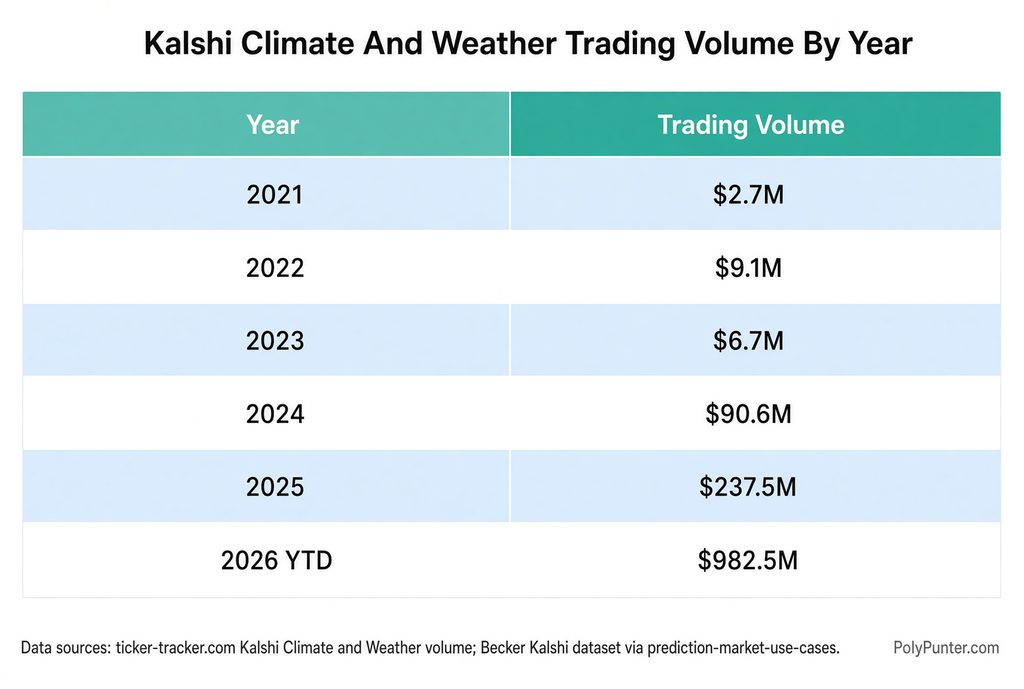
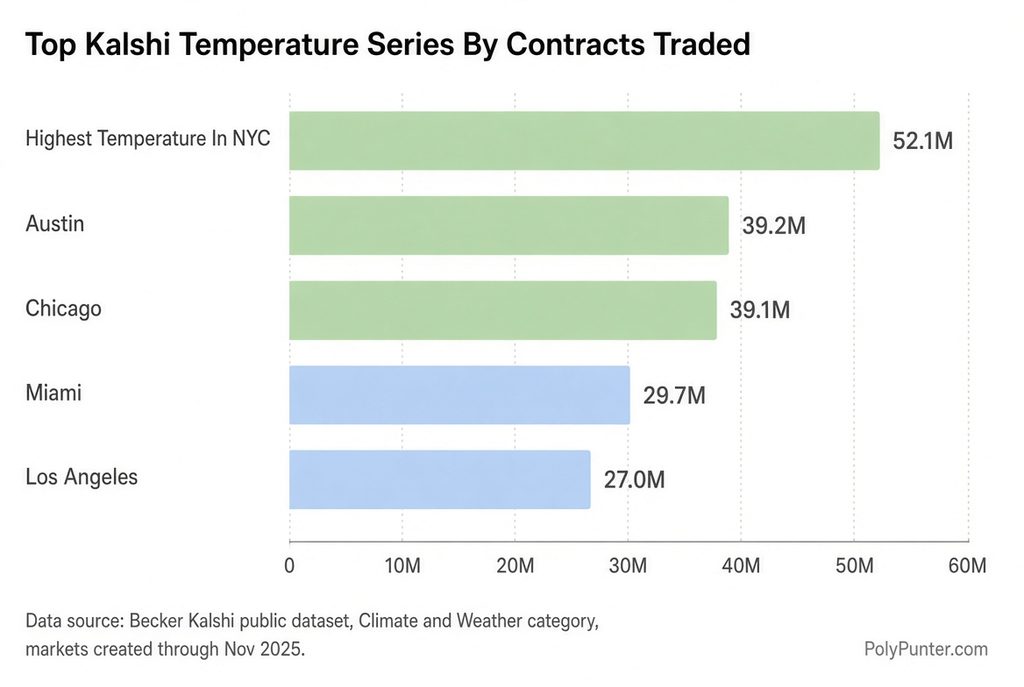
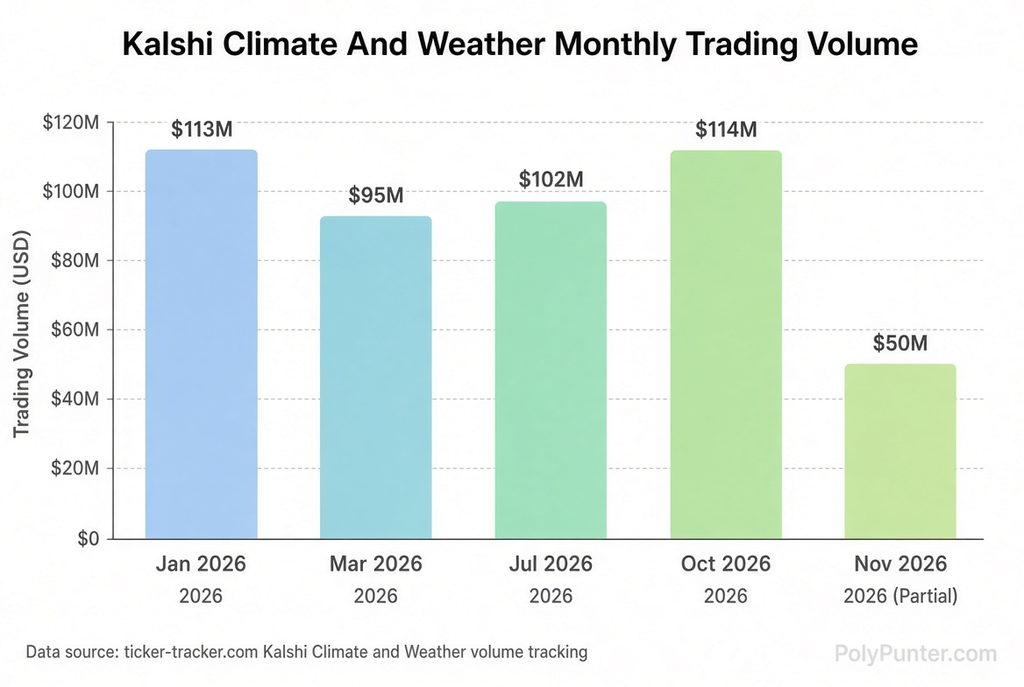
These contracts sit alongside the precipitation markets Kalshi already lists, which continue to show monthly volume for places such as San Francisco and Los Angeles. Full documentation for the weather RFQ flow and the contract parameters lives in Kalshi’s API reference. How far custom-side spreads go depends on how often API users request the contracts and how aggressively market makers are willing to quote them.
References
- Kalshi Rolls Out On-Demand Event Contracts, Starting With Custom Weather and Concert RFQs – Finance Magnates
- On-Request Weather Markets – Kalshi API Documentation
- On-Request Concert Markets – Kalshi API Documentation
- Create Weather Point Market – Kalshi API Reference
- Kalshi for Small Business post on Los Angeles ice cream shop weather hedge
- Weather Forecast Markets – Kalshi
- Request for Quote (RFQ) – Kalshi API Documentation
- Kalshi and The Weather Company Partnership Announcement