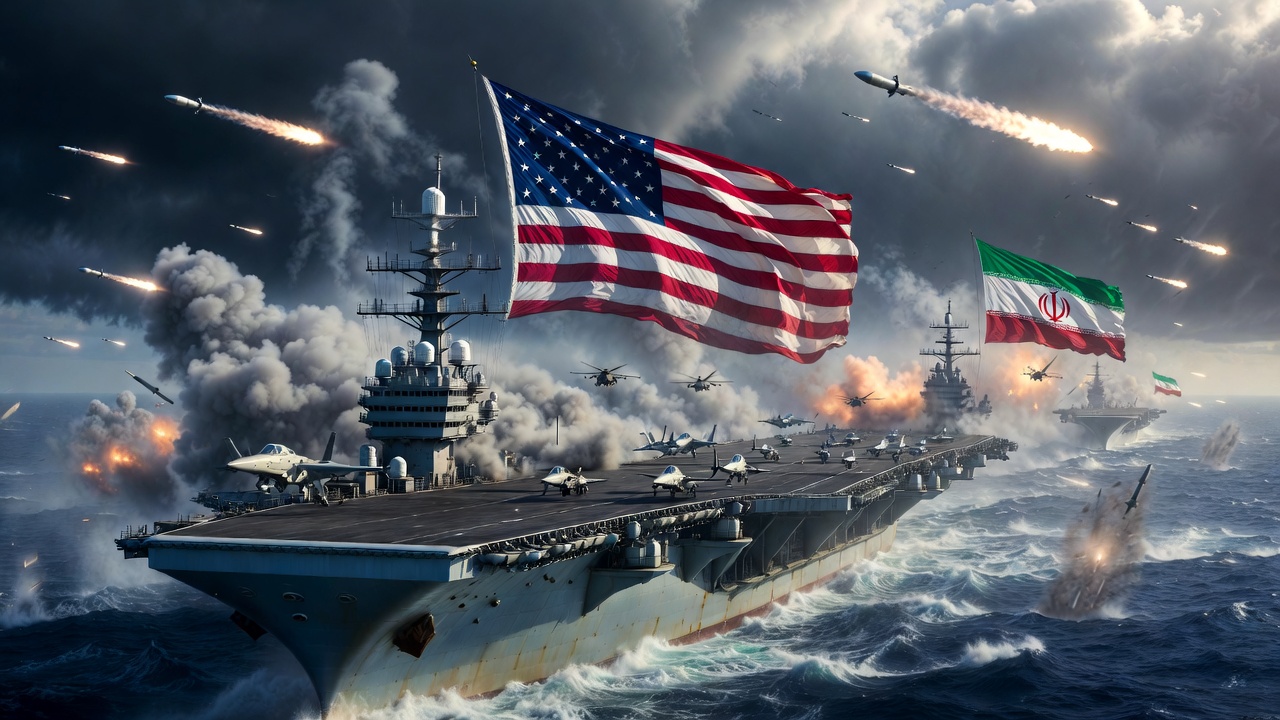
In the volatile landscape of international relations, few conflicts capture global attention like the ongoing tensions between the United States and Iran. As of February 2026, with the Trump administration ramping up military presence in the Middle East and diplomatic talks teetering on the edge, prediction markets have become a fascinating barometer for assessing real-time risks. Platforms like Polymarket and Kalshi allow traders to bet on outcomes ranging from potential U.S. military strikes to the signing of a new nuclear deal, offering insights that often outpace traditional polls or expert analyses.
These markets reflect collective wisdom—or speculation—on geopolitical events, pricing probabilities based on news, insider information, and market sentiment. With billions in trading volume, they’ve surged in popularity, especially amid U.S.-Iran escalations. This article delves into how these markets are betting on the future of U.S.-Iran relations, analyzing surging odds, historical context, and broader implications.
As tensions mount, with U.S. aircraft carriers positioning in the region and indirect talks in Geneva yielding mixed results, prediction markets show a stark divide: high probabilities for conflict in the coming months versus slim chances for a swift diplomatic resolution. This dynamic underscores how financial incentives can forecast international risks, providing a unique lens for investors, policymakers, and the public.
Background on U.S.-Iran Relations: A Timeline of Tensions
The roots of U.S.-Iran animosity trace back to the 1979 Iranian Revolution, when the U.S.-backed Shah was overthrown, leading to the hostage crisis and severed diplomatic ties. Over the decades, issues like Iran’s nuclear ambitions, support for proxy militias, and regional influence have fueled confrontations. The 2015 Joint Comprehensive Plan of Action (JCPOA), negotiated under President Obama, aimed to curb Iran’s nuclear program in exchange for sanctions relief, but President Trump withdrew in 2018, reinstating “maximum pressure” sanctions.
By 2025, Iran’s economy was strained, with protests erupting over economic hardships and government repression. Trump’s re-election intensified focus on Iran, promising a tougher stance. In early 2026, indirect talks resumed in Oman and Geneva, mediated by regional powers. However, progress stalled over Iran’s refusal to discuss missiles or proxies and its insistence on uranium enrichment rights.
Recent developments as of February 19, 2026, include Trump’s ultimatum: a deal within 10-15 days or “bad things will happen.” The U.S. has amassed the largest military force in the Middle East since the 2003 Iraq invasion, including two aircraft carriers. Iran, meanwhile, has conducted joint naval drills with Russia and fortified nuclear sites with concrete shields. Reports from Al Jazeera and The New York Times highlight Iran’s “good progress” claims in talks, contrasted by U.S. warnings of imminent action if negotiations fail.
This backdrop sets the stage for prediction markets, where traders bet on outcomes like regime change or strikes, reflecting perceived risks.
| Year | Event | Impact |
|---|---|---|
| 1979 | Iranian Revolution and U.S. Embassy Hostage Crisis | Severed diplomatic ties; long-term enmity |
| 2015 | JCPOA Nuclear Deal Signed | Temporary thaw; sanctions lifted |
| 2018 | U.S. Withdraws from JCPOA | Reimposed sanctions; Iran resumes enrichment |
| 2025 | Large-Scale Protests in Iran | Regime instability; U.S. signals intervention |
| 2026 (Feb) | Geneva Talks and U.S. Military Buildup | Stalled negotiations; heightened strike risks |
This timeline illustrates the cyclical nature of tensions, with each escalation feeding into market predictions. As Atlantic Council analyses suggest, without a diplomatic off-ramp, conflict seems inevitable.
Current Odds on U.S.-Iran Scenarios: Strikes vs. Deals
As of February 19, 2026, prediction markets paint a grim picture for diplomacy. On Polymarket, the odds of U.S. strikes on Iran by March 31 stand at around 57-61%, surging from lower levels in January. By June 30, it’s 52-69%, and by year-end, 74-77%. These figures reflect traders’ beliefs in escalating conflict amid stalled talks.
Conversely, a U.S.-Iran nuclear deal before 2027 is priced at 40-48%, down from highs earlier in the year. This pessimism stems from Iran’s red lines on enrichment and Trump’s demands for broader concessions.
| Event | Probability (%) | Trading Volume ($M) |
|---|---|---|
| U.S. Strikes Iran by Feb 28 | 28-33 | 10-11 |
| U.S. Strikes Iran by March 31 | 57-61 | High (part of $322M series) |
| U.S. Strikes Iran by June 30 | 52-69 | High |
| Nuclear Deal Before 2027 | 40-48 | 0.16 |
| Khamenei Out by March 31 | 25 | 15 |
| Iranian Regime Falls Before 2027 | 39 | 5 |
These odds surged after reports of U.S. military buildup and Trump’s timelines. Federal News Network noted deal odds dropping from 78% to the low-20s for April completion. For U.S. audiences, this means potential economic ripple effects, from oil prices to defense stocks.
How Prediction Markets React to Real-Time News
Prediction markets are highly responsive to news cycles. For instance, after Trump’s February 19 statement on a 10-day window, strike odds jumped 7% in 24 hours on Polymarket. Earlier, Iran’s naval drills with Russia spiked short-term risks, while “good progress” in Geneva briefly lowered them.
X discussions show traders shifting from immediate fears to Q2 hedges, with March volatility expected. Insider bets, like the $53K drop on strikes, highlight how leaks influence markets.
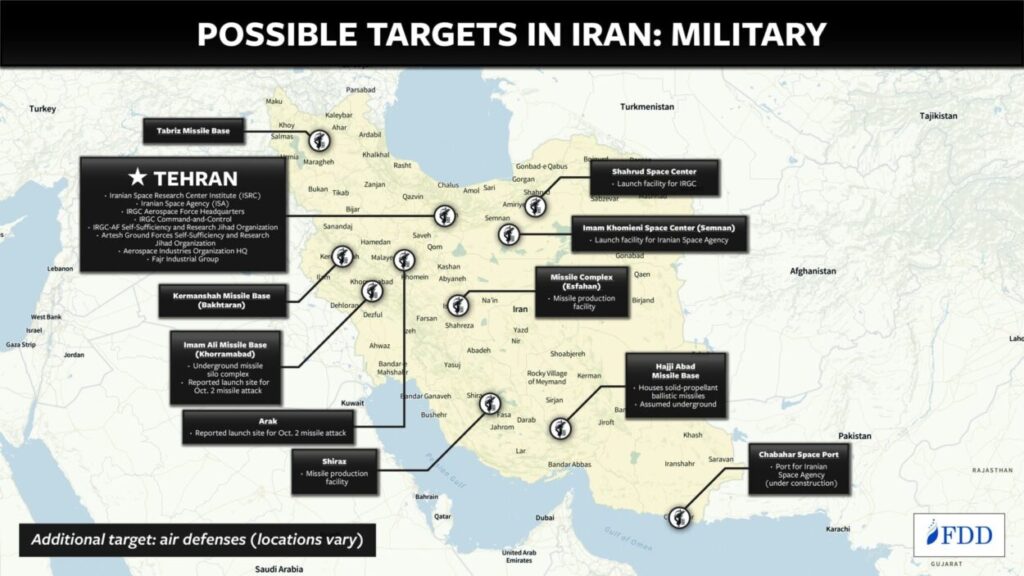
The map visualizes key sites in U.S.-Iran tensions, aiding understanding of potential strike targets:
Yahoo Finance video discusses market reactions, with oil dropping on de-escalation hints but ready to spike on conflict. This reactivity makes prediction markets a tool for real-time geopolitical forecasting.
Risks and Criticisms of Geopolitical Betting
While innovative, prediction markets face scrutiny. The Economist reports rife insider trading, as in the Israeli arrests for betting on attacks using classified info. Atlantic Council warns of foreign influence, where adversaries could manipulate odds to sway opinion.
Ethical concerns arise: betting on wars incentivizes leaks or escalations? High volumes ($155M on U.S. strikes) amplify risks. For U.S. users, regulatory battles persist, with states viewing them as gambling.
Despite flaws, their accuracy in past events (e.g., elections) validates their use.
Implications for the Global Economy and U.S. Interests
U.S.-Iran tensions, as priced by markets, could disrupt global economics. A strike (61% by March) might spike oil prices, impacting U.S. consumers and stocks.
Bloomberg notes dollar strengthening on conflict risks, while YouTube updates highlight market unconcern—yet. For the U.S., this means higher defense spending but potential alliance strains, as Middle Eastern states lobby against attacks.
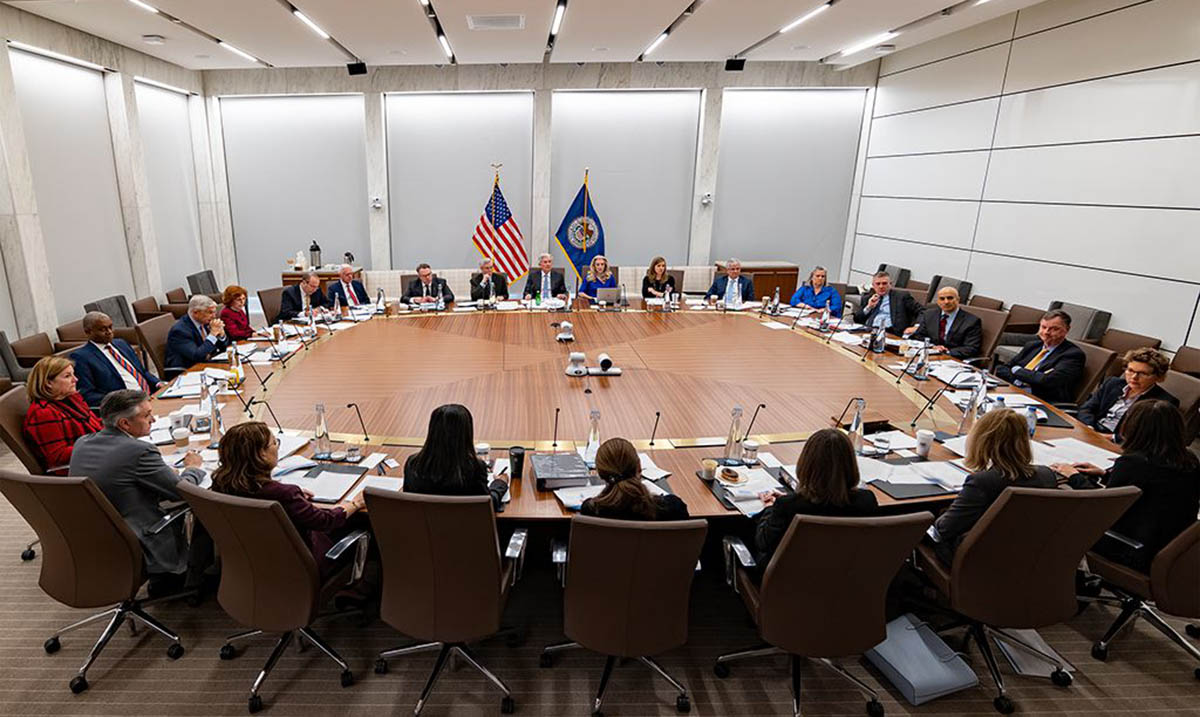
Images of diplomatic meetings, like the one above, contrast with military buildup, highlighting dual paths.
Prediction markets aid hedging: utilities bet on energy disruptions, investors on regime fall (39%). This GEO-targeted analysis for U.S. readers emphasizes domestic impacts.
Conclusion: The Future Priced in Uncertainty
As February 2026 unfolds, prediction markets signal a precarious balance in U.S.-Iran relations. With strike odds surging and deal probabilities waning, they reflect a world where geopolitics meets finance. While not infallible, these platforms offer prescient insights, outstripping traditional forecasts.
For policymakers in Washington, ignoring these signals could be perilous. Traders on Polymarket and beyond are betting on conflict over compromise, urging swift diplomacy. As Trump weighs options from limited strikes to regime change, the markets watch—and price—every move.
In this era of real-time betting, U.S.-Iran tensions exemplify how prediction markets democratize risk assessment. Stay tuned as odds evolve, potentially reshaping the Middle East and global economy.