Published: November 20, 2026
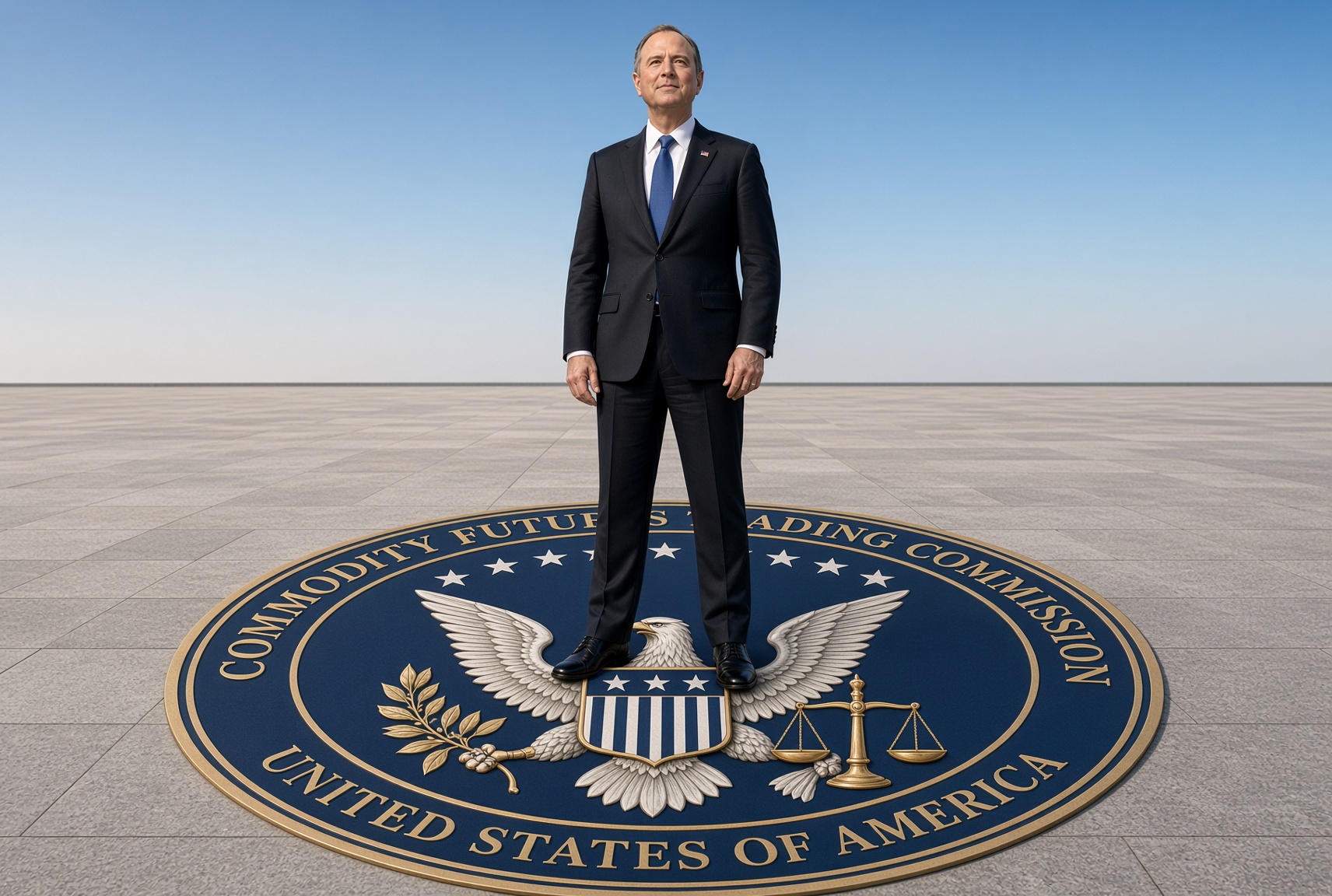
Senators cleared the DEATH BETS Act by voice vote late on November 19, 2026, and the measure now heads to the House. The bipartisan bill, led by California Democrat Adam Schiff and Utah Republican John Curtis, would stop CFTC-registered exchanges from listing contracts that expressly mention terrorism, assassination, war, or U.S. Armed Forces military operations. It would also block any contract that, at the moment it is listed, is reasonably expected to settle mainly because someone dies. Schiff posted on X right after the vote that Congress is making clear these bets should be illegal.
Before the voice vote, the chamber adopted a Schiff-Curtis amendment that tightened the original language from March. The version that passed focuses on contracts that “expressly reference” the banned topics, rather than the broader “involve, relate to, or reference” wording first introduced. The amendment also spells out that the bill leaves the separate court fights over sports contracts alone. The House companion, H.R. 7942, has been sitting in a House Agriculture subcommittee since early April. The current Congress wraps up on January 3, 2027.
What The Passed DEATH BETS Act Actually Bars
The text that left the Senate adds a new subsection to Section 5c of the Commodity Exchange Act. A registered entity cannot list for trading or accept for clearing any agreement, contract, transaction, or swap based on an excluded commodity that expressly references terrorism, assassination, war, or United States Armed Forces military operations. The CFTC can still add other comparable activity by rule if it decides the step is needed to carry out the law’s goals. A second clause bars contracts whose event is reasonably expected, at the time of listing, to resolve principally on an individual’s death.
Those tests are tighter than the bill Schiff filed on March 10. The first version would have reached anything that involved, related to, or referenced the forbidden subjects, plus anything that could be read as lining up closely with someone’s death. The final language sticks to explicit references and to contracts whose main resolution depends on death. Putting the ban in the CEA statute itself means a later Commission cannot simply rewrite a rule and reopen the door.
CFTC Rule 40.11 already lets the agency block contracts involving terrorism, assassination, or war when it finds them contrary to the public interest. The DEATH BETS Act turns that discretion into a hard statutory prohibition for the covered topics and adds the clear death standard the current law does not spell out. The bill creates no new criminal penalties; violations stay under existing federal commodities law and CFTC enforcement. It applies only to entities registered with the CFTC and will not affect offshore platforms.
How The Senate Got The Bill Across The Finish Line
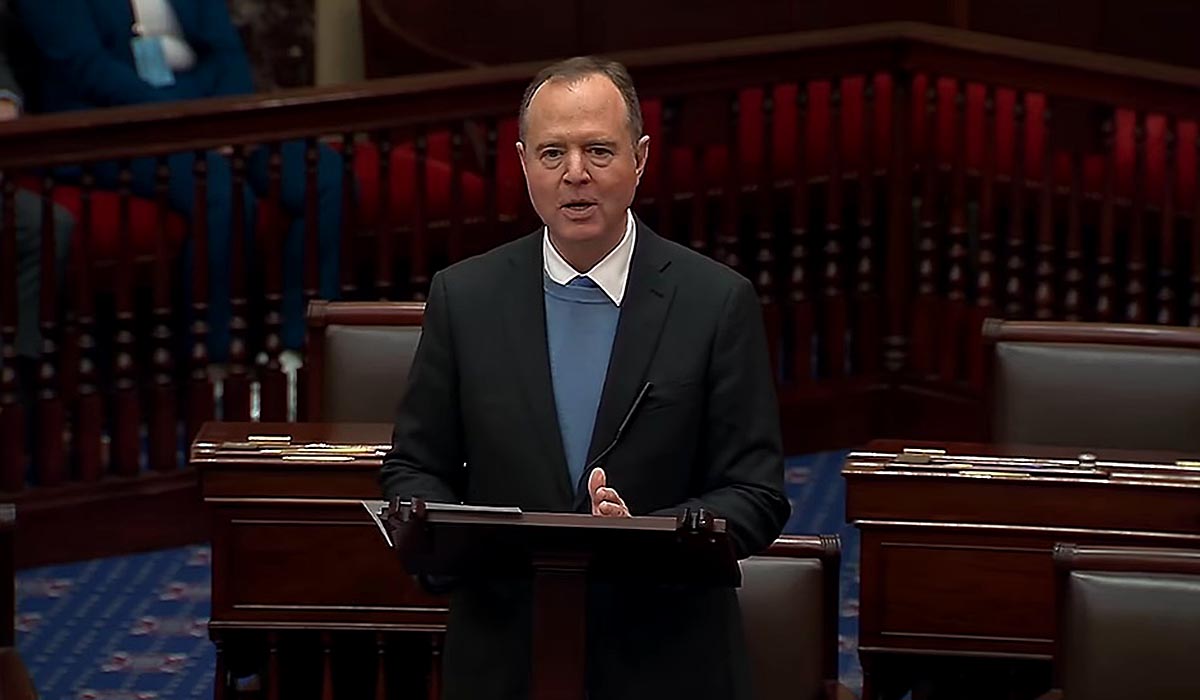
Schiff introduced S. 4035 on March 10, the same day Representative Mike Levin filed the House companion. Curtis signed on as cosponsor at the end of September. On the floor on November 19, both senators spoke; the chamber adopted their amendment by unanimous consent, and the bill then passed by voice vote.
Schiff called the measure the first building block toward real limits and said it stops contracts on war, military operations, and death. Curtis said the platforms are trying to blur the line between legitimate financial markets and outright gambling. Schiff, in particular, is positioning himself as the bulldog against prediction markets. He has made recent remarks targeting several issues related to these exchanges.
There was no recorded roll-call vote. The bipartisan sponsorship and the lack of opposition showed agreement on the narrow question of war and death contracts. Schiff later shared video of the remarks on his X account, as he is apt to do.
The Iran Trading Numbers And Security Worries That Pushed The Bill
Lawmakers pointed to the volume that piled up on contracts tied to the U.S. and Israeli strikes on Iran in late February 2026. Polymarket contracts on the timing of those strikes pulled in more than $529 million. Six newly created wallets on the platform made roughly $1.2 million by correctly betting the strikes would land on February 28. Some of those positions were funded only hours before the first explosions were reported.
A Kalshi market on whether Iran’s Supreme Leader Ali Khamenei would be “out as Supreme Leader” saw about $54 million in volume. The platform settled it at the last trading price before his death and refunded the fees.
Schiff has said these contracts create rampant opportunities for insider trading and are offered with no regard for national security or basic morality. In the March press release, he warned that betting on war and death creates an environment in which insiders can profit from classified information, national security is jeopardized, and violence is encouraged. Representative Levin noted that more than half a billion dollars was wagered on the timing of the Iran strikes alone. Similar concerns had already come up around contracts on the removal of Venezuelan President Nicolás Maduro and on whether specific locations in the Russia-Ukraine fighting would fall.
Some of the biggest contracts traded on platforms that do not require full identity checks. Figuring out exactly who placed the winning wagers has been hard. Supporters say writing a clear ban into statute closes a gap that was left when the Commission could only use its discretionary review under Rule 40.11.
People in the industry have said regulated U.S. venues already stayed away from direct death and war contracts, but the Senate decided the statute still needed clarity. Much of this could be read as political piling on for personal media attention, if one were cynical.
References
- S.4035 – DEATH BETS Act (Engrossed in Senate)
- All Info – S.4035 – DEATH BETS Act
- Senator Adam Schiff post on Senate passage
- Schiff press release introducing the DEATH BETS Act
- Rep. Levin and Sen. Schiff bicameral introduction release
- Schiff floor speech on YouTube
- Unchained coverage of Senate passage
- The Block report on the Senate vote
- CoinDesk article on the DEATH BETS Act
- Decrypt summary of the bill
- Reuters on Iran-related prediction market scrutiny
- CBS News on Iran bets and insider trading concerns
- Bloomberg on CFTC proposed rule changes
- MarketsWiki explanation of CFTC Rule 40.11
- The Financial Express video of Senate remarks
- H.R. 7942 – House companion bill