Published: November 22, 2026
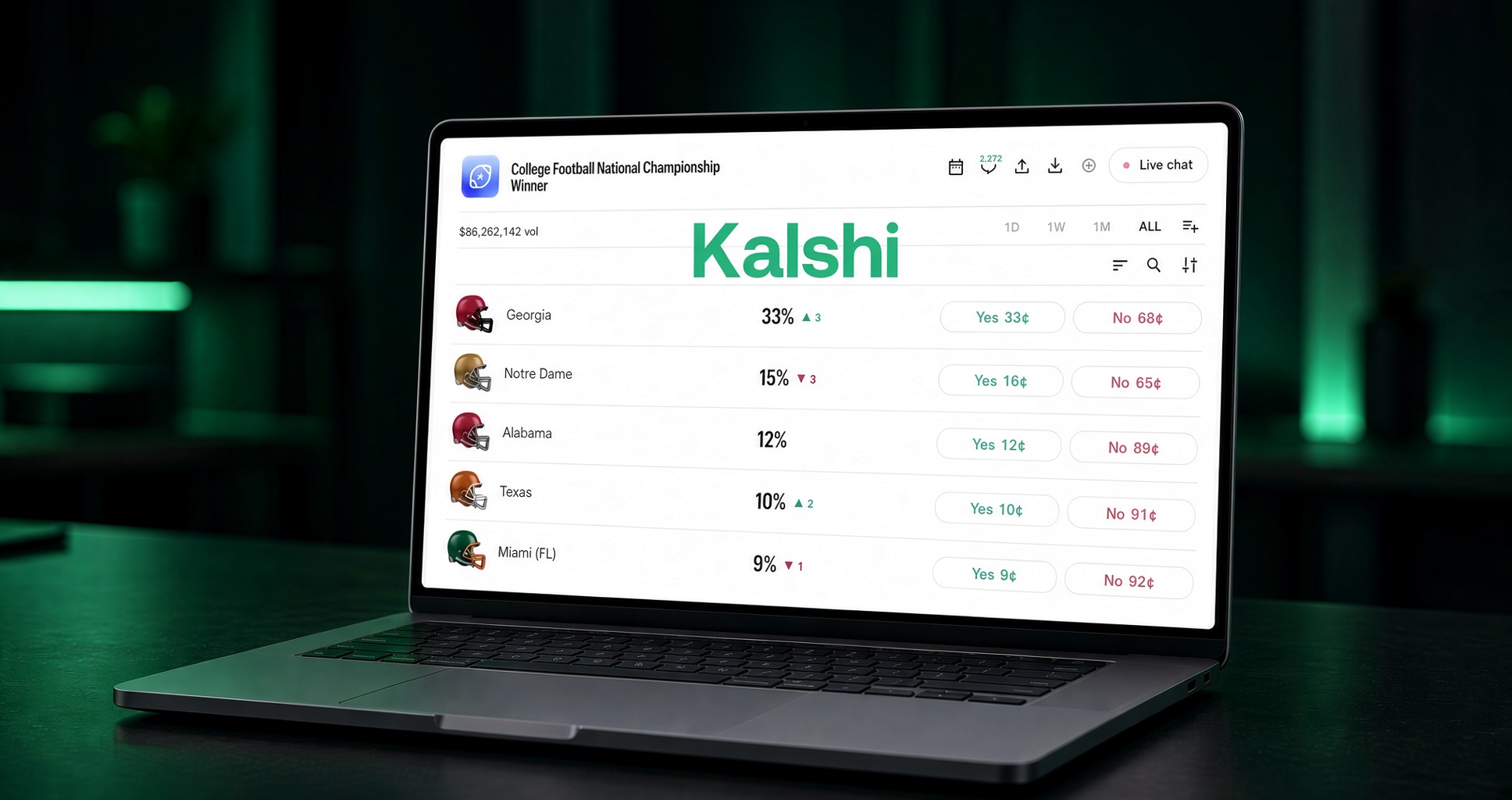
Prediction markets give you a direct way to trade on whether an event will happen. On Kalshi, most contracts are simple binary yes-or-no questions that settle at either $1 or $0. The price you see in cents is the crowd’s current probability estimate of yes, this event will happen, or no, it will not. Will the Kansas City Chiefs win the Super Bowl this season? That simple setup removes much of the jargon that usually surrounds derivatives while still letting you stake real money on a personal prediction.
New traders often like that you can get in and out before the event finishes. You can buy or sell your prediction contracts before the end date. The maximum you can lose is what you spent to enter (contract cost plus trading fees).
This walkthrough covers the practical steps: opening the account, adding money, reading a market, placing the first order, and handling fees and exits. Once those pieces click, the rest of the platform is straightforward.
Setting Up Your Kalshi Account
Head to the Kalshi site and sign up with an email or through Google or Apple. You will be asked for your full legal name, date of birth, and a real residential address. Because Kalshi is a CFTC-regulated exchange, identity verification is required before you can deposit or trade.
Most U.S. residents can open an account at 18, though a few states set a higher age of majority (Nebraska and Alabama 19+, Mississippi 21+). The check usually involves a government ID and often the last four digits of a Social Security number. Approval is frequently instant; if the system needs more information, it sends an email with the next step.
Some international users can also join, but eligibility is spelled out in the Member Agreement, and you are responsible for confirming that trading is allowed where you live. Many countries currently ban Kalshi trading.
After the account is approved, the homepage shows categories such as sports, economics, politics, crypto, culture, and weather. Opening any market page and reading the resolution rules takes only a minute and saves confusion later.
The help center has a clear article on the signup process if anything feels unclear. Getting this part finished cleanly is the main gate before money can move.
Funding Your Account
Once the account is verified, the deposit button appears in the menu. ACH bank transfers cost nothing on Kalshi’s side and usually clear within five business days, though a portion of the money often becomes available right away. The minimum is $10 for most methods, and the bank account must be in your own name.
Debit cards, including Apple Pay and Google Pay, tend to arrive instantly but can carry a processing fee of up to 2%. Larger amounts can move by wire or crypto; wires start at a $1,000 minimum. Withdrawals back to the same bank account or other supported methods are free once the cash sits in your available balance.
A modest first deposit is advised while you learn the order ticket and watch how positions behave. The help center deposit page explains the partial-credit rules and current limits. Most beginners use ACH for the zero fee and keep a debit card only when they need the money available in minutes.
Understanding Event Contracts and Prices
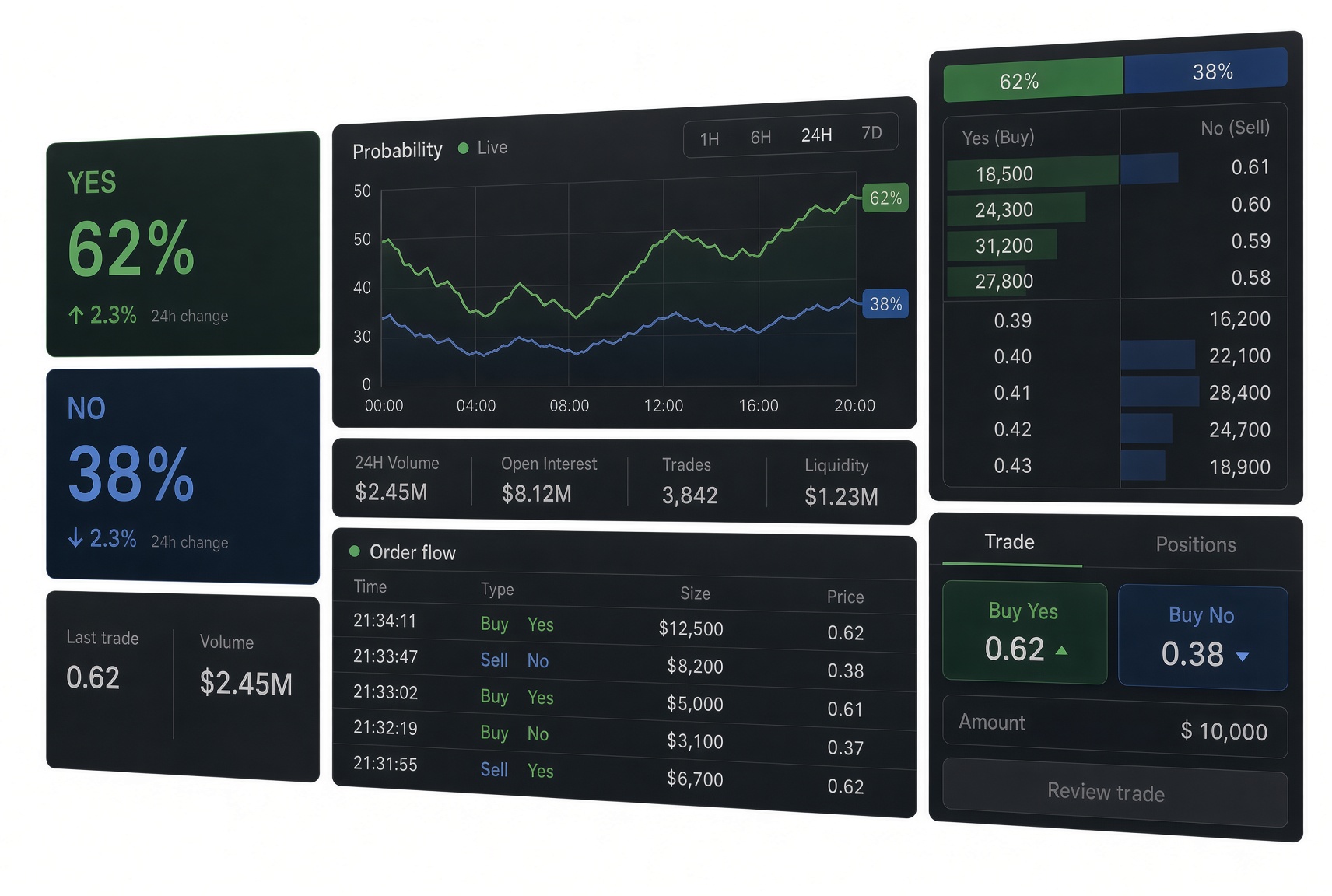
Each market is a yes-or-no question with a fixed expiration and a named source that decides the outcome. Buying the yes side means you think the event will occur; buying the no side means you think it will not. The two prices add to $1, so a yes contract trading at 65 cents is the market’s way of saying the event is roughly 65% likely.
If you buy yes at 65 cents and the event happens, the contract pays $1, and your gross profit is 35 cents before fees. If it does not happen, the contract goes to $0, and you lose the 65 cents you paid plus fees. You can sell the contracts at any time to a willing new buyer before expiration to lock in whatever the market is currently offering. Sometimes traders do this to lock in profits from a rising contract price or to minimize losses if they sense their forecast is likely to be wrong in the end.
Market prices move when new traders enter the market or when current traders change their minds after new public information. Liquid markets (markets with active trading) usually have tighter spreads, meaning less of a gap between the best bid price (buyers) and the best ask price (sellers).
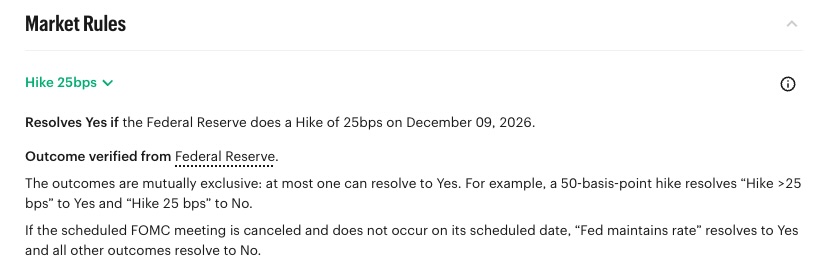
The resolution rules on the market page tell you exactly which source will be used to determine the outcome and the timing. Always read the resolution rules before trading in any market to avoid surprises at settlement. For example, an inflation market might settle on a specific CPI report from the Bureau of Labor Statistics coming out on a specific date.
Placing Your First Trade
Scan the homepage or the category tabs until you see a market in a subject you already follow. Open the page to check the current yes and no prices, the recent trades, and the full rules. Estimate your own probability for the market and see whether the prices are below your estimate. That gives you a positive expected value. For instance, you believe there’s a 65% likelihood that “yes” will hold; the yes-price is 55 cents. That means you have an expected profit on the trade. If the yes contract price were 75 cents, you’d likely not want to make this trade.
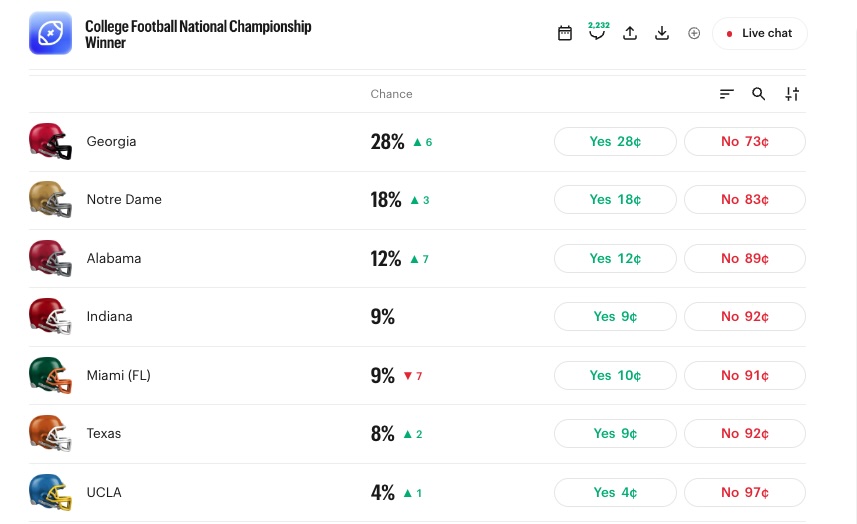
Click yes or no and the order ticket opens. You can type either the number of contracts you want to purchase at that price or a dollar amount, and the ticket will calculate the number of contracts (often called “shares”) for you. Select “market order” for an immediate trade at the best available price (which may be slightly higher than the list price), or a limit order to name the exact cents you are willing to pay and wait until Kalshi finds a seller willing to meet your price. It may or may not find you a match if you limit your price.
Market orders take liquidity and pay the standard fee. Limit orders sit on the book until someone else hits them and often qualify for a lower or zero maker fee. Glance at the estimated cost, the potential payout, and the fee on the ticket, then confirm. Once you click buy, the position shows up in your portfolio, where you can watch it as the market price changes over time and sell it early or hold until settlement.
Fees, Exits, and Position Management
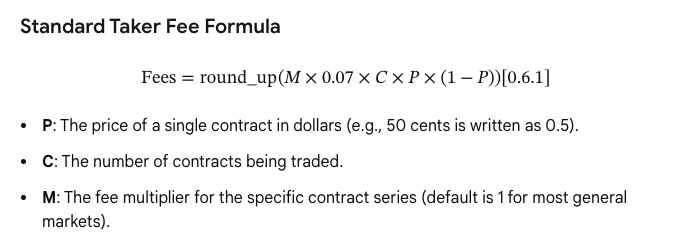
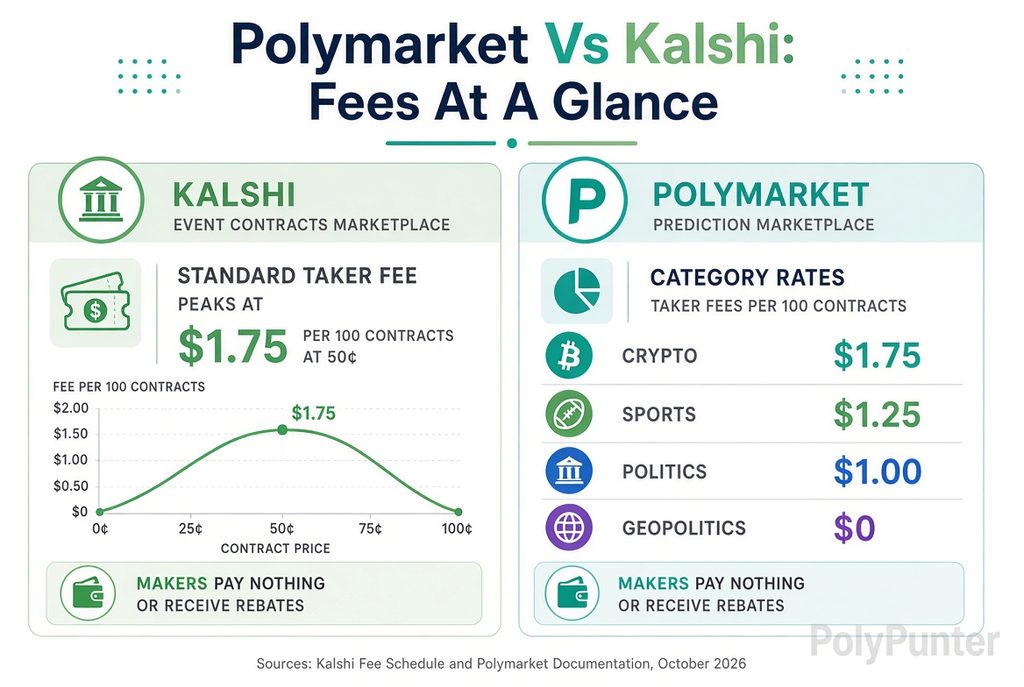
Kalshi charges a fee to buy or sell a contract. This is called a “taker” fee. The usual taker formula rounds up 0.07 times the number of contracts times the price times one minus the price. The cost peaks around $1.75 per 100 contracts when the contract price is near 50 cents and drops as contract prices move more toward the extremes.
A market maker (as opposed to a taker) puts contract orders on the book instead of taking them off the book. As with limit orders, you put in a quote and see if another trader will “take it.” Maker fees appear only on certain markets and use a smaller multiplier, so many resting limit orders cost little; in some markets, the fees are zero. The ticket will let you see the fees before you place your order.
Selling before the event finishes turns unrealized gains or losses into cash and lets you move on. Exiting the market when the original reason for the trade (like an expected profit) no longer holds is usually cleaner than waiting to see if your prediction wins.
The help center fee article and the downloadable fee schedule PDF show the exact calculation and any upcoming changes. Running the numbers on a trade before you hit confirm lets you be precise about your potential returns. Over time, using limit orders (versus market orders) on liquid markets lowers the average cost per contract.
Habits That Help Beginners
Stick to markets whose resolution sources you already know, whether that is a government data release or official league statistics. Before every entry, compare your own probability estimate to the market price; if they are close, there is usually no edge. Limit orders on liquid contracts give you price control and often reduce fees while you are still learning the platform.
The portfolio page shows open positions, cash balance, and past results so you can track how you are doing without leaving the site. Looking at the activity history after a few trades shows how fees and timing affect the numbers. Many traders also keep an eye on economic calendars or sports schedules so they know when prices are likely to move.
The Kalshi Help Center covers order types, portfolio tools, and responsible-trading features. Using those habits from the first week keeps the process clear. Small, deliberate trades build skill faster than occasional large ones.
Frequently Asked Questions
What is the minimum age to trade on Kalshi?
You must be at least 18 years old in most states. Identity verification confirms this requirement before you can trade. If you’re in a state with a current legal dispute regarding Kalshi, the app will also let you know by your geolocation.
How do Kalshi prices relate to probability?
For example, a price of 42 cents on the yes side means the market currently prices the event at roughly 42%, or a 42% probability. Your own estimate can differ, creating a potential edge if you buy the underpriced side.
Can I sell a Kalshi contract before it settles?
Yes. You can sell open positions at the current market price any time before expiration, realize gains or losses, and return the proceeds to your cash balance.
What fees apply to a typical beginner trade?
Taker fees follow the published formula and peak near 50 cents. Many maker orders incur little or no fee. ACH funding and withdrawals carry no platform charge, while debit cards may add up to 2%.
Which deposit method works best for new accounts?
ACH bank transfers are free and suit most beginners, with a $10 minimum and possible partial immediate credit. Debit cards offer speed at the cost of a processing fee.
Do I need a U.S. address to open an account?
U.S. residents must provide a valid residential address during signup. International eligibility varies by jurisdiction and is detailed in the Member Agreement.
How does Kalshi settle event contracts?
Once the named resolution source confirms the outcome, winning contracts pay $1 and losing contracts pay $0. Settlement usually occurs within hours of the official result.
Where can I review official fee and trading rules?
The fee schedule page and the help center trading collection list current formulas, maker-taker differences, and order mechanics. Checking these pages keeps the information current.