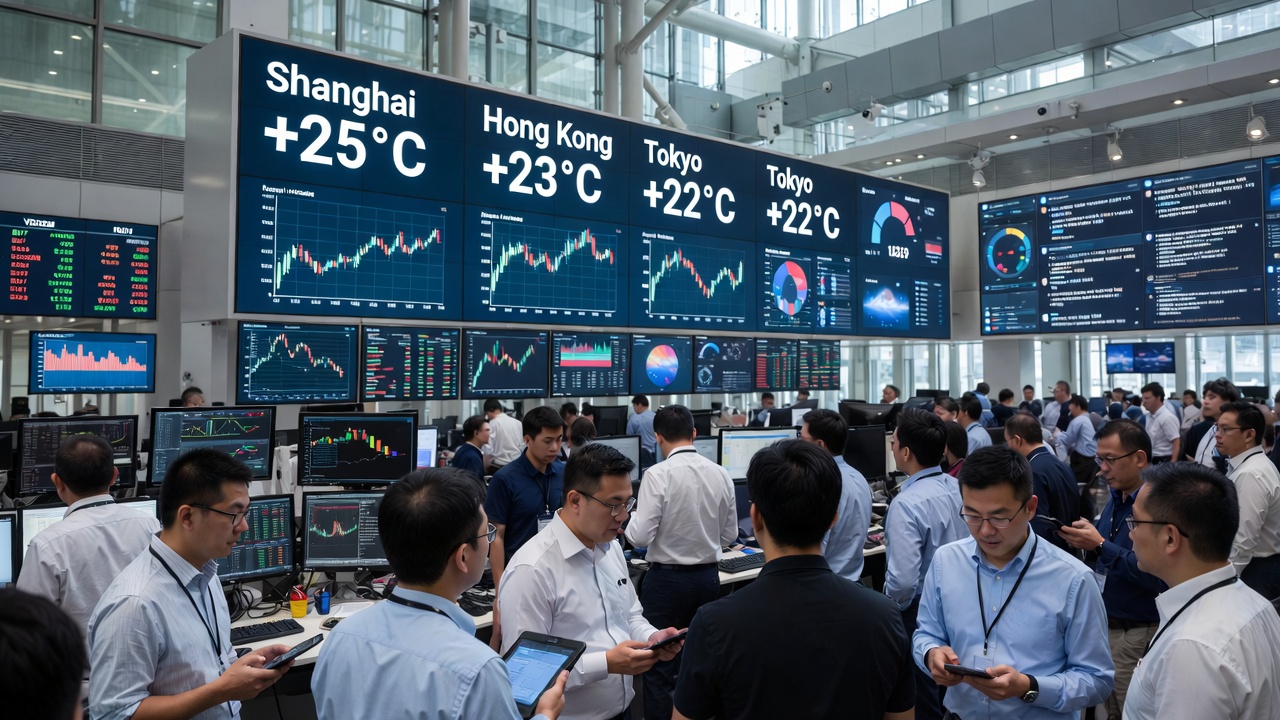
Traders flock to new weather prediction contracts that focus on daily high temperatures in major urban centers. Polymarket recently introduced these markets, sparking widespread interest among speculators. Volumes climb as participants wager on precise outcomes, turning routine forecasts into engaging opportunities. Enthusiasts share strategies online, amplifying the trend across social media. This development highlights a fusion of meteorological data and market dynamics.
The Launch of Urban Climate Prediction Contracts
Polymarket rolled out weather-based events for specific metropolises on March 11, 2026. Contracts center on the highest daily temperatures, with resolutions based on official meteorological reports. Bettors purchase shares in potential outcomes, such as exact Celsius readings. Initial offerings drew immediate volume, reflecting pent-up demand for such niche speculations. Platforms report heightened activity in these categories shortly after debut.
One contract targets the high temperature on March 13, 2026, in a prominent Asian financial hub. News outlets covered the expansion, noting its appeal to casual participants. Forecast Trading Expands with Polymarket Weather Markets details how users engage with these novel instruments.
Speculators analyze multiple weather models to inform positions. The European Centre for Medium-Range Weather Forecasts provides one key input. National Weather Service data also influences decisions. Traders monitor updates several times daily for an edge. This process elevates everyday predictions into strategic plays.
Trading Dynamics in Metropolitan Temperature Odds
Contracts feature multiple outcome buckets, each with associated probabilities. For instance, a 13°C high commands 99% odds in one active market. Polymarket’s Shanghai Weather Prediction Event Shows 99% Probability of a 13°C High captures this surge. Volumes reach tens of thousands of dollars within hours. Liquidity pools support efficient entry and exit.
Participants range from hobbyists to seasoned traders. Social platforms buzz with discussions on model discrepancies. One user highlighted a 55% jump in probability in a single day. Odaily Seer monitoring shows that the Polymarket “Shanghai March 13th highest temperature is 13 degrees” prediction event probability has risen. Such volatility attracts those seeking quick resolutions.
Resolution criteria rely on verified sources like airport weather stations. Disputes rarely occur due to clear guidelines. Payouts happen automatically post-event. This structure fosters trust among users. Many reinvest winnings into contracts for subsequent days.
Comparative analysis reveals patterns across cities. Warmer climates show broader outcome spreads. Cooler regions concentrate probabilities narrowly. Traders exploit these variances for arbitrage. Automated Bots Enable Arbitrage in Prediction Markets offers insights into platform variances affecting weather trades.
Current Odds for Daily High Temperatures
| City | Date | Leading Outcome | Probability | Volume (USD) |
|---|---|---|---|---|
| Shanghai | March 13, 2026 | 13°C | 99% | 66,300 |
| Hong Kong | March 13, 2026 | 22°C | 47% | 79,900 |
| Shanghai | March 14, 2026 | 14°C | 52% | Pending |
| Hong Kong | March 14, 2026 | 21°C | 28% | Pending |
The table above illustrates select active markets. Data draws from platform dashboards as of March 13, 2026. Probabilities reflect crowd wisdom aggregated through trades. Volumes indicate engagement levels. Note potential shifts before resolution.
User Engagement and Viral Spread of Forecast Speculation
Social media amplifies the phenomenon. Posts on X detail winning strategies.
Video content educates newcomers. One clip explains common pitfalls in weather trades. Weather Markets Look Easy… Here’s How I Lost $300 recounts a trader’s experience.
Another discusses broader implications. Betting on the WEATHER Could Actually Make Forecasts More Accurate explores how to improve forecast accuracy.
Engagement metrics soar. Platforms report a doubling of traffic in climate categories. Traders cite entertainment value as a draw. Discussions extend to model reliability. This interaction builds a vibrant ecosystem.
Demographics skew younger. Gen Z participants dominate forums. They blend memes with analysis. Viral challenges encourage first-time bets. Such organic growth sustains momentum.
Potential Benefits of Real-Time Climate Betting
Markets aggregate dispersed information effectively. Traders incorporate local observations. This process refines collective forecasts. Studies suggest superior accuracy over single models. Participants gain incentives for precision.
Economic implications emerge. Hedging tools are developed for weather-sensitive industries. Farmers monitor crop-related contracts. Event planners assess rain probabilities. These applications extend beyond entertainment.
Educational value accrues. Users learn meteorology basics through participation. Terms like “ensemble forecasting” enter common parlance. Ultimate Glossary of Prediction Markets Terms and Slang (2026 Edition) aids comprehension. Knowledge spreads via shared resources.
Global connectivity strengthens. Traders from varied regions collaborate. Time zone differences enable round-the-clock monitoring. Cultural exchanges occur in comments. This fosters international awareness.
Comparison of Weather Model Influences
| Model | Update Frequency | Key Strengths | Impact on Markets |
|---|---|---|---|
| ECMWF | Twice Daily | Long-Range Accuracy | Shifts Long-Term Odds |
| GFS | Four Times Daily | High Resolution | Drives Intraday Volatility |
| ICON | Four Times Daily | Regional Detail | Influences City-Specific Bets |
| UKMO | Twice Daily | Ensemble Reliability | Stabilizes Probabilities |
The table outlines major models affecting trades. Each contributes uniquely to probability calculations. Traders weigh them differently depending on the horizon. Integration enhances predictive power. Regular consultations optimize strategies.
Challenges in Lighthearted Weather Wagering
Regulatory hurdles arise. Some jurisdictions scrutinize offerings. Polymarket delists weather prediction events related to Hong Kong due to potential issues. Platforms adapt by removing affected contracts. Compliance remains a priority.
Data discrepancies pose risks. Station locations affect readings. Urban heat islands skew results. Traders account for these factors. Resolutions follow predefined sources to mitigate disputes.
Volatility tests participants. Rapid forecast changes erode positions. Emotional decisions lead to losses. Discipline proves essential. Resources advise measured approaches.
Accessibility varies. Not all regions support participation. Currency conversions complicate entries. Platforms work on inclusivity. Expansion plans address these barriers.
Future Outlook for Crowd-Sourced Weather Probabilities
Expansions loom. More cities join the roster. Precipitation and wind markets develop. Seasonal events gain traction. Innovation drives category growth.
Integration with apps progresses. Real-time alerts notify shifts. AI assists in analysis. User experiences improve. Adoption accelerates accordingly.
Research opportunities expand. Academics study market efficiencies. Comparisons to traditional forecasts yield insights. Publications emerge on findings. This validates the approach.
Community building continues. Events and webinars engage users. Partnerships with meteorologists form. Knowledge sharing elevates discourse. Sustainability ensures longevity.
Overall, these markets represent a novel intersection of technology and nature. Traders navigate uncertainties with data-driven tactics. Engagement persists as resolutions unfold. The trend underscores human fascination with prediction.
References
- Highest temperature in Hong Kong on March 13? – Polymarket
- Forecast Trading Expands with Polymarket Weather Markets | Bitget News
- Polymarket’s Shanghai Weather Prediction Event Shows 99% Probability of a 13°C High
- Odaily Seer monitoring shows that the Polymarket “Shanghai March 13th highest temperature is 13 degrees” prediction event probability has risen – Binance
- Kalshi vs Polymarket: Key Differences, Pros, Cons, and Which Prediction Market is Best for Beginners – PolyPunter
- LATEST: Polymarket launches weather prediction markets for Shanghai and Hong Kong. – X
- Weather Markets Look Easy… Here’s How I Lost $300 – YouTube
- Betting on the WEATHER Could Actually Make Forecasts More Accurate – YouTube
- LATEST: Polymarket launches weather prediction markets for Shanghai and Hong Kong. – Facebook
- Ultimate Glossary of Prediction Markets Terms and Slang (2026 Edition) – PolyPunter
- Polymarket delists weather prediction events related to Hong Kong | Bitget News