As Wall Street becomes ever more entwined with prediction markets, expect more and more Wall Street firms to lay down the law on their staff being personally involved with any appearance-of-impropriety market trading.
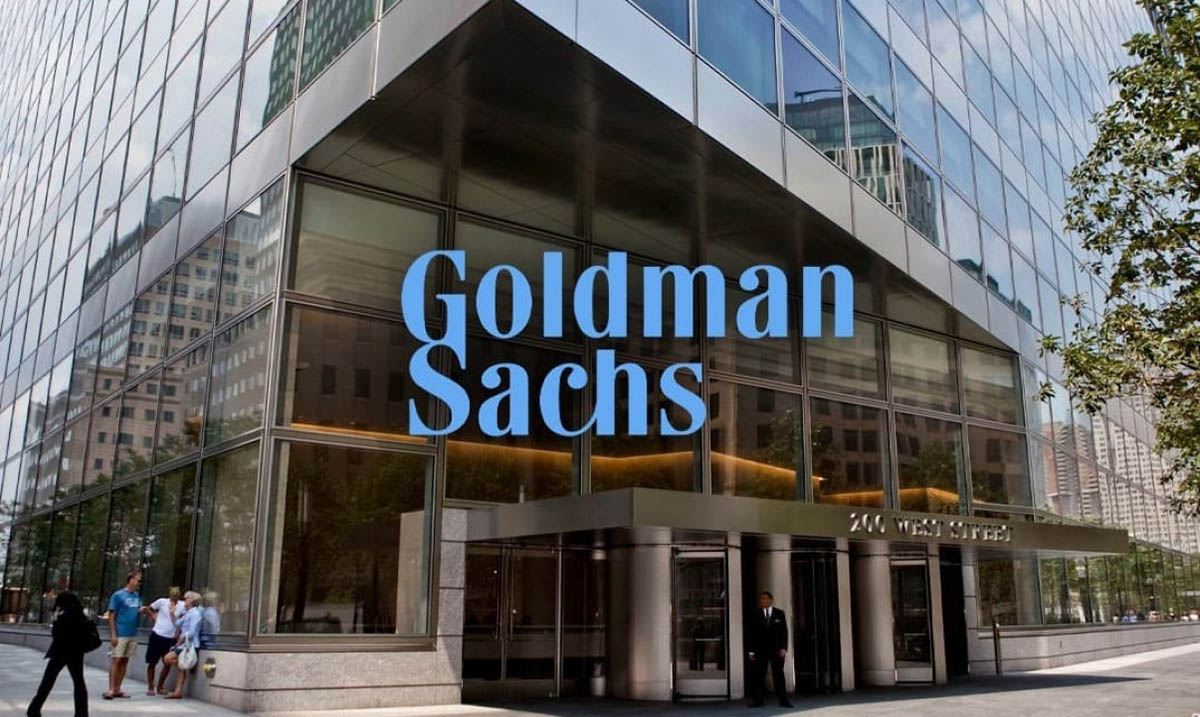
Goldman Sachs has updated its personal trading policy to prohibit employees from engaging in prediction market trades tied to finance, politics, macroeconomic data, and geopolitics. This managerial step comes as Wall Street firms confront rising federal compliance demands across ever-evolving trading environments. Sources familiar with the matter confirm that the bank issued a recent memo outlining these restrictions and permitting trades only in sports and entertainment categories. (Somewhat ironically, the two categories that the New York State Attorney General has sued to prevent in the state.)
The change reflects Goldman Sachs’ efforts to protect institutional integrity. Violations carry serious consequences, including potential termination and forfeiture of any profits from prohibited trades. This new development builds on existing rules that bar the use of material nonpublic information in all trading activities. Even the appearance of insider trading can be highly damaging and costly to a Wall Street firm.
Core Elements of the Updated Goldman Sachs Policy
The policy establishes clear boundaries where employee trades might overlap with the bank’s operations or client interests. Compliance teams receive explicit guidance on enforcement, and the structure helps employees understand exactly where lines have been drawn. Wall Street bank employees are highly aware of these personal conduct rules, so violations, should they occur, are seen as quite intentional and never accidental.
Goldman Sachs Prediction Market Trading Restrictions
| Restricted Category | Policy Status | Examples of Covered Topics |
|---|---|---|
| Company-specific events | Prohibited | Trades involving Goldman Sachs or peer firms |
| Political outcomes | Prohibited | Election results and related developments |
| Financial market performance | Prohibited | Broader market indices and sector movements |
| Macroeconomic indicators | Prohibited | Economic data releases and forecasts |
| Geopolitical developments | Prohibited | International conflicts and related events |
| Sports and entertainment | Permitted | Athletic competitions and media events |
Goldman Sachs enacted this new set of rules after reviewing how certain prediction market trades could undermine trust with clients and the wider financial sector. The memo emphasizes avoidance of both actual and apparent conflicts of interest. This reinforcement adds highly specific rules for prediction market activity to their insider trading prohibitions. The update positions the firm ahead of any potential regulatory scrutiny regarding prediction market activity, which they know is coming.
Industry-Wide Shifts in Employee Conduct Standards
Other major banks have begun addressing similar issues in their codes of conduct. Morgan Stanley incorporates rules on prediction market trading directly into its employee guidelines. Bank of America is working on policy updates that will provide specific examples of prohibited activities. JPMorgan Chase advises caution, particularly around contracts connected to the financial sector. Expect all major institutions to follow suit and nip this potential pitfall in the bud.
While approaches differ slightly, the underlying goal remains the protection of institutional reputation. Goldman Sachs stands out early for issuing one of the more explicit memos on the topic. Its policy will likely serve as a reference point for competitors evaluating their own guidelines. Staff across the sector will benefit from heightened awareness around the topic, hopefully preventing cases before they ever occur.
Social Media Buzz Highlights Growing Awareness of Compliance Changes
Financial commentator Ajay Bagga posted details of the ban, noting the focus on financial, political, and macroeconomic events. His update quickly drew significant engagement from market watchers.
Another account shared a visual breakdown listing prohibited categories, including elections, financial markets, and geopolitical events. The post stressed potential termination risks and profit forfeiture for violators. Commenters responded with questions about enforcement timelines. Additional voices on the platform described the move as a clear signal of compliance from Wall Street, linking the policy shift to rising regulatory scrutiny.
Regular training sessions will reinforce these expectations going forward. Monitoring systems that track personal trading activity to ensure compliance will not look for prediction market activity. Violations trigger internal reviews that could lead to severe disciplinary measures. Goldman Sachs has encouraged employees to raise open questions through compliance channels when they’re unsure about the rules, helping them make informed decisions without fear of unintended breaches.
Goldman Sachs’ policy ranks among the more detailed responses from major banks. While some institutions review options or issue general cautions, Goldman Sachs delivered a memo with explicit categories, avenues for employees to ask any compliance questions, and threats of consequences for non-compliance. This level of detail leaves little room for interpretation among staff. The permitted sports and entertainment exception provides a prediction-market outlet for personal interests without touching areas sensitive to the bank.ht
References
- Bloomberg News, “Goldman Bans Staff From Prediction-Market Bets on Finance, War”
- Reuters, “Wall Street banks rule on staff betting on prediction markets, sources say”
- New York Post, “Goldman Sachs, Morgan Stanley ban employees from making certain bets on prediction markets: report”
- Ajay Bagga on X
- MS Capital on X
- CNBC, “Prediction markets spark insider trading concerns. Here’s how Goldman and other companies are responding”
- Seeking Alpha, “Goldman Sachs bars staff from prediction market trades on finance and war – report”
- Ground News summary of related coverage
- Daily Brew AI on X
- Quartz coverage of the policy update

The PolyPunter staff works tirelessly to bring you the latest and most insightful news, information, and tips on the fast-growing economic, financial, and social phenomenon that is prediction markets.