
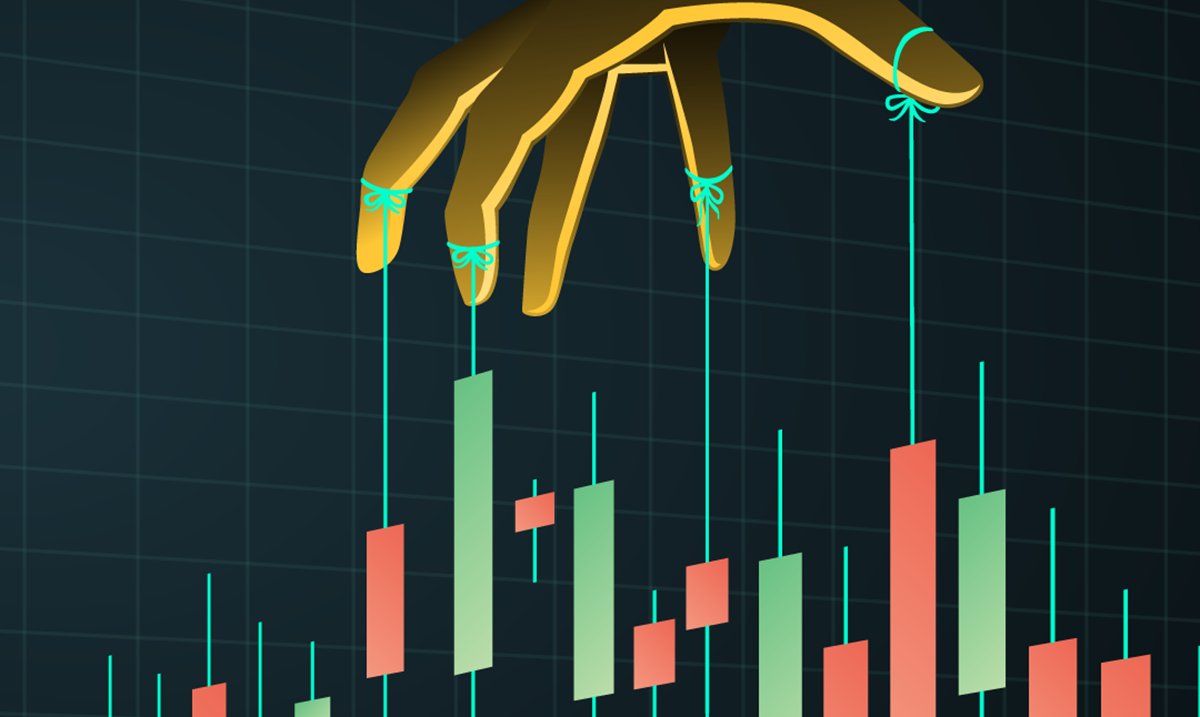
Trading markets thrive when sharp information flows freely into prices. When that total sum of valuable information is shared equally across the market, pricing becomes more accurate. Market mechanics are less concerned with the origin story of the information.
Yet the very mechanism that fuels this edge creates deep tensions and even legal ramifications. Revealing non-public details drives better forecasts while simultaneously threatening fairness and long-term stability. This insider trading paradox sits at the core of whether these platforms deliver genuine insight or simply reward those with privileged access.
Why Non-Public Information Strengthens Prediction Market Signals
Traders who hold material non-public details bring unique knowledge to the table. Their bets push prices closer to true probabilities faster than openly public data alone allows. This process turns markets into powerful aggregators of hidden facts. When we mention the Wisdom of Crowds, that includes members of the crowd with non-public information.
Consider how informed bets on corporate earnings or regulatory decisions refine collective understanding. The act of trading on such details rewards accuracy and penalizes noise. Markets create profit incentives for those with special knowledge to participate actively. Prices reflect reality more quickly as a result. The mechanism isn’t always ethical, but it is optimal.
Studies by academic researchers highlight cases in which prediction markets forecast outcomes before mainstream reporting, polling, or surveys. Without the flow of private signals, markets would rely solely on noisy public chatter and lose some or even much of their edge.
Key Advantages of Informed Trading in Event Contracts
| Advantage | Description | Impact on Markets |
|---|---|---|
| Faster Price Discovery | Informed bets adjust odds rapidly toward actual likelihoods | Superior forecasting compared to polls |
| Incentive Alignment | Traders risk capital to reveal what they know | Reduces reliance on biased or incomplete public sources |
| Information Aggregation | Private details enter public prices through trades | Creates a more complete picture of future events |
The Costs of Allowing Non-Public Information to Shape Prices
The obvious downside of privileged information use in trading markets is the clear advantage it provides over other market participants. When certain traders exploit material non-public information, others feel the system is stacked against them. This perception of unfairness discourages broad engagement over time. Markets lose liquidity if a broad spectrum of users believe outcomes favor insiders. Thinner trading reduces overall accuracy in the long run.
Legal risks compound the issue. Regulators scrutinize cases where government employees or corporate insiders bet on events tied to their roles. Federal enforcement actions follow when classified or confidential details drive profits. These cases, though relatively few, draw tremendous media attention and create uncertainty that chills legitimate activity.
Trust erosion represents perhaps the highest hidden cost. Players who lose repeatedly to better-informed players exit the platform. The paradox emerges clearly here: short-term accuracy comes at the expense of sustained participation and perceived legitimacy.
Recent Cases Highlighting Risks of Non-Public Information Flows
| Case Summary | Key Details | Broader Implication |
|---|---|---|
| Government Employee Betting Scandal | A service member used sensitive details on a foreign leader change and profited substantially before facing charges | Shows how classified information can distort markets and trigger enforcement |
| Campaign-Related Trades | Staffers placed bets using internal polling data on their own candidates | Undermines public confidence in political event contracts |
| Content Creator Insider Activity | An employee traded on knowledge of upcoming video releases from an affiliated channel | Illustrates conflicts in entertainment and media-linked markets |
These examples, documented in official enforcement records, demonstrate real-world fallout. Platforms responded with new monitoring tools and restrictions on certain accounts. Yet the underlying tension persists because the revelation of information remains central to market functioning.
Design Choices That Address the Paradox Without Killing the Signal
Enhanced real-time monitoring represents one practical response. Platforms currently deploy tools to flag unusual patterns tied to specific accounts. In some cases, these systems draw on blockchain transparency to trace flows more effectively. Such measures deter blatant insider abuse while allowing legitimate informed bets to continue.
A more preventative tool involves clearer boundaries around who may trade. Excluding individuals with direct access to material non-public details in certain categories reduces obvious conflicts. At the same time, general knowledge from deep research stays permissible. This distinction protects core incentives without blanket prohibitions.
Education and transparency also play roles. When platforms communicate how markets aggregate information, users better understand the dynamics at work. Clear disclosures about enforcement actions build credibility over time. Traders make informed decisions about whether the risk-reward profile suits their style.
Clearly, no perfect solution exists because the paradox stems from fundamental incentives. Suppressing all non-public signals would transform these platforms into simple polls with money attached. Allowing unchecked flows invites the trust problems already visible in enforcement records.
Economic studies on similar markets show that moderate insider activity can coexist with healthy liquidity when surveillance works well. Complete bans on non-public information could blunt the very mechanism that makes prediction markets distinctive. Partial restrictions, focused on clear conflicts like official government roles, offer a middle path worth exploring.
Looking Ahead: Can Prediction Markets Sustain Their Edge?
Prediction market growth continues despite recent controversies, with monthly volumes climbing into the tens of billions by early 2026. This expansion suggests many traders still see value in the information-revealing process. Platforms that manage the paradox effectively stand to capture more attention from both retail and institutional sides.
Regulatory evolution will shape outcomes. Recent advisories emphasize monitoring obligations and restrictions on obvious insider activity. These steps acknowledge the benefits of informed trading while targeting clear harms. Continued dialogue between platforms, regulators, and users will determine whether balance emerges.
The choice ahead is to embrace complexity rather than seek simple bans or total openness. Markets that reward insight while protecting against exploitation offer the most promising path forward.
References
1. Congressional Research Service report on prediction market policy issues
2. Stanford Law School article on surging prediction markets and insider concerns
3. U.S. Department of Justice press release on soldier charged with using classified information
4. Commodity Futures Trading Commission advisory on insider trading enforcement
5. TRM Labs analysis of prediction market volume growth in 2026
6. Substack analysis of structural problems in prediction markets, including insider dynamics
7. CFTC announcement on prediction markets rulemaking process
8. Kalshi update on political insider trading enforcement actions
9. Science journal perspective on prediction markets and public health concerns
10. Sidley Austin analysis of corporate compliance risks with prediction markets