
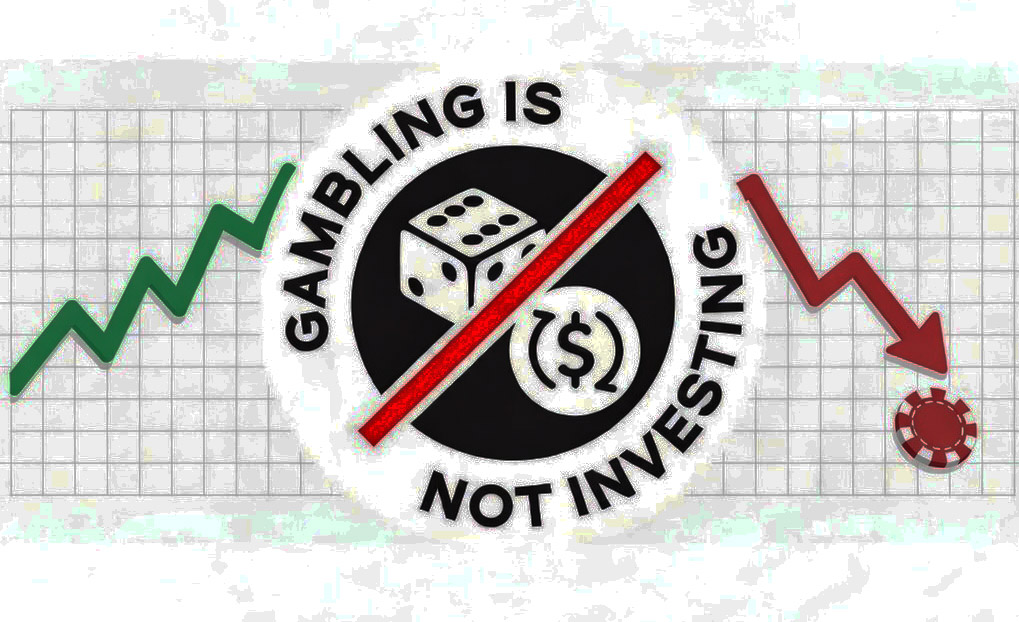
In a move that underscores ongoing debates over financial innovation and regulatory oversight, Mick Mulvaney, who served as acting White House chief of staff under President Donald Trump, has emerged as a key figure in advocating for stricter controls on prediction markets. On March 2, 2026, Mulvaney announced the formation of the “Gambling Is Not Investing” coalition, a group dedicated to pushing for the application of state and tribal gambling laws to these platforms. This initiative highlights concerns that prediction markets, particularly those involving sports event contracts, may be circumventing established state regulations designed to protect consumers and ensure fair practices.
The coalition’s launch comes at a time when discussions around prediction markets regulation are intensifying, with stakeholders from various sectors weighing in on the balance between innovation and consumer safety. Mulvaney positions the group as a defender of existing legal frameworks, arguing that reclassifying certain activities under federal oversight undermines state authority. This development adds a new layer to the conversation on gambling vs investing, as the coalition seeks to influence policymakers at both the state and federal levels.
EDITORIAL NOTE: Currently, it is unclear who may be providing underlying support for this coalition and if there is any possible agenda for this coalition beyond pure public interest concerns expressed in its press releases.
The Genesis and Goals of the ‘Gambling Is Not Investing’ Coalition
The “Gambling Is Not Investing” coalition officially launched on March 2, 2026, with Mulvaney serving as its executive director. The group’s primary objective is to advocate for the enforcement of state and tribal gaming laws on prediction markets that facilitate sports event contracts. According to statements from the coalition, these platforms are operating outside the bounds of established gambling regulations, potentially misleading consumers and weakening protections that have been carefully crafted over the years.
“Gambling products — regardless of what you call them — must follow established state and tribal laws. Rebranding sports wagering as ‘trading’ or ‘investing’ or ‘predicting’ misleads consumers, undermines responsible gaming protections, and weakens the state and tribal systems built to protect the public and fund vital community services.” — Nick Mulvaney, press release.
He further argued that terms like ‘trading’ or ‘predicting’ could obscure the true nature of these activities, which he likens to traditional sports betting. This perspective aligns with broader concerns about consumer protections in betting markets, where the coalition believes safeguards such as responsible gaming measures and revenue allocations for community services are being bypassed.
The coalition’s formation reflects a strategic effort to rally support from conservative and free-market advocacy organizations. By framing the issue as one of regulatory consistency, the group aims to appeal to lawmakers who prioritize state sovereignty in gambling matters. This approach could reshape the landscape of prediction market regulation, potentially leading to increased scrutiny and legal challenges at the state level.
Mick Mulvaney’s Background and Role in the Advocacy Effort
Mick Mulvaney is a former Republican congressman from South Carolina. Mulvaney served in multiple high-profile roles during the Trump administration, including director of the Office of Management and Budget and acting White House chief of staff from 2019 to 2020. His tenure in these positions involved navigating complex policy issues, including financial regulations and consumer protections.
Post-administration, Mulvaney has remained active in public discourse, contributing to media outlets and engaging in advocacy work. His involvement in the “Gambling Is Not Investing” coalition marks a continuation of his focus on economic policies that emphasize accountability and consumer safety. Mulvaney’s firsthand knowledge of federal operations positions him to effectively argue against what he perceives as federal overreach in areas traditionally managed by states.
In interviews, Mulvaney has drawn analogies to familiar concepts to illustrate his point. “If it looks like a sports bet, if it sounds like a sports bet, if it pays off like a sports bet, if it’s on a sporting event—it’s a sports bet,” he told WIRED. This rhetoric is designed to resonate with a broad audience, including policymakers and the public, who may see parallels between prediction markets and established gambling practices.
Key Arguments Presented by the Coalition
At the heart of the coalition’s campaign is the assertion that sports event contracts on prediction markets constitute a form of gambling that should fall under state jurisdiction. The group points out that in many states where sports betting is illegal or heavily regulated, these platforms continue to operate under federal approvals, creating inconsistencies in the regulatory landscape.
One major concern raised is the potential for misleading consumers. By presenting these activities as investments or predictions rather than bets, the coalition argues, platforms may attract individuals without fully disclosing the risks involved. This could undermine responsible gaming protections, such as age verification, self-exclusion programs, and limits on wagers, which are standard in state-regulated gambling environments.
Additionally, the coalition highlights the economic implications. State and tribal gaming laws often include provisions for revenue sharing that fund essential services like education, infrastructure, and problem gambling support. Bypassing these systems, according to the group, deprives communities of vital resources while allowing unregulated entities to profit.
To illustrate these points, consider the following table outlining key differences in regulatory approaches:
| Aspect | State Gambling Regulations | Federal Derivatives Oversight |
|---|---|---|
| Consumer Protections | Includes responsible gaming tools, age restrictions, and addiction support | Focuses on market integrity and financial disclosures |
| Revenue Allocation | Taxes and fees directed to state/tribal programs | No direct allocation to community services |
| Jurisdictional Authority | State-specific laws tailored to local needs | Uniform federal standards |
| Enforcement Mechanisms | State attorneys general and gaming commissions | Commodity Futures Trading Commission (CFTC) |
This comparison underscores the coalition’s call for aligning prediction market regulation with state gambling laws to ensure comprehensive protections.
Composition and Support of the Coalition
The “Gambling Is Not Investing” coalition comprises several advocacy organizations known for their conservative leanings and commitment to free-market principles. Members include Consumer Action for a Strong Economy, Frontiers of Freedom, Hispanic Leadership Network, and Moms for America, among others. These groups bring diverse perspectives but unite under the banner of protecting consumers from what they view as unregulated gambling masquerading as investment.
The inclusion of these organizations suggests a strategic alliance aimed at broadening the appeal of the coalition’s message. For instance, Consumer Action for a Strong Economy focuses on policies that promote economic growth while safeguarding individual rights, aligning with the coalition’s emphasis on regulatory fairness. Similarly, Frontiers of Freedom advocates for limited government intervention, yet supports state authority in this context to prevent federal overreach.
Support for the coalition extends beyond its founding members. Reports indicate that state officials and gaming executives have expressed interest in the initiative, seeing it as a means to reinforce their regulatory domains. This backing could amplify the group’s influence in legislative arenas, particularly as debates over federal vs state regulation of prediction markets continue to evolve.
Industry Responses and Counterarguments
The launch of the coalition has elicited responses from industry participants and supporters of prediction markets. Proponents argue that these platforms provide valuable tools for risk management and information aggregation, distinct from traditional gambling. They contend that federal oversight by bodies like the Commodity Futures Trading Commission (CFTC) ensures market integrity without the need for state-level gambling classifications.
For example, the Coalition for Prediction Markets, which includes former lawmakers like Sean Patrick Maloney and Patrick McHenry, has positioned itself as a counterforce. This group, backed by industry players, advocates for the continued federal regulation of event contracts, emphasizing their role in fostering innovation. In a statement to POLITICO, representatives highlighted the benefits of uniform national standards over fragmented state approaches.
Critics of the “Gambling Is Not Investing” initiative suggest that it represents a partisan effort to curb emerging markets, potentially stifling competition. However, Mulvaney and his allies maintain that their push is about equity and protection, not opposition to progress. This dialogue reflects the bipartisan nature of regulatory debates in prediction markets, with voices from both sides of the political spectrum engaging in the discussion.
Broader Implications for Regulation and Policy
The emergence of the “Gambling Is Not Investing” coalition could have significant implications for the future of prediction markets regulation. By advocating for state-level oversight, the group challenges the current federal framework, potentially leading to legal battles and policy shifts. States with strict gambling laws may pursue lawsuits or legislative measures to assert their authority, as evidenced by ongoing cases involving platforms facing state challenges.
This initiative also intersects with wider conversations about consumer protections in betting markets. As technology evolves, distinguishing between gambling and investing becomes increasingly complex, prompting calls for updated regulations that address modern realities. The coalition’s efforts may encourage lawmakers to revisit existing laws, balancing innovation with safeguards against exploitation.
The involvement of a high-profile figure like Mulvaney could draw attention from the incoming administration. Given his ties to the Trump era, his advocacy might influence policy directions, particularly if aligned with broader goals of deregulation or state empowerment. Observers note that this could lead to a reevaluation of how event contracts are classified, impacting everything from sports-related activities to other sectors.
In the context of advocacy groups against prediction markets, this coalition adds to a growing chorus seeking accountability. Reports from sources like The Hill indicate that state attorneys general are already active in this space, filing suits to enforce local laws. The coalition’s work may bolster these efforts, providing research, lobbying support, and public awareness campaigns.
Potential Challenges and Future Outlook
Despite its strong launch, the coalition faces challenges in achieving its goals. The prediction markets industry has garnered support from investors and innovators who argue for its legitimacy under federal law. Legal precedents and CFTC approvals present hurdles to reclassification efforts, requiring substantial evidence to sway courts and regulators.
Moreover, the bipartisan regulatory debates in prediction markets suggest that outcomes may not favor one side definitively. Democratic lawmakers have previously expressed concerns over certain contracts, while some Republicans advocate for market freedoms. Mulvaney’s involvement could bridge these divides or exacerbate them, depending on how the narrative unfolds.
Looking ahead, the coalition plans to engage in lobbying at state capitals and on Capitol Hill, aiming to build momentum for legislative changes. Success could result in a patchwork of state regulations, while failure might reinforce federal dominance. Either way, the debate underscores the evolving nature of financial and gaming regulations in a digital age.