
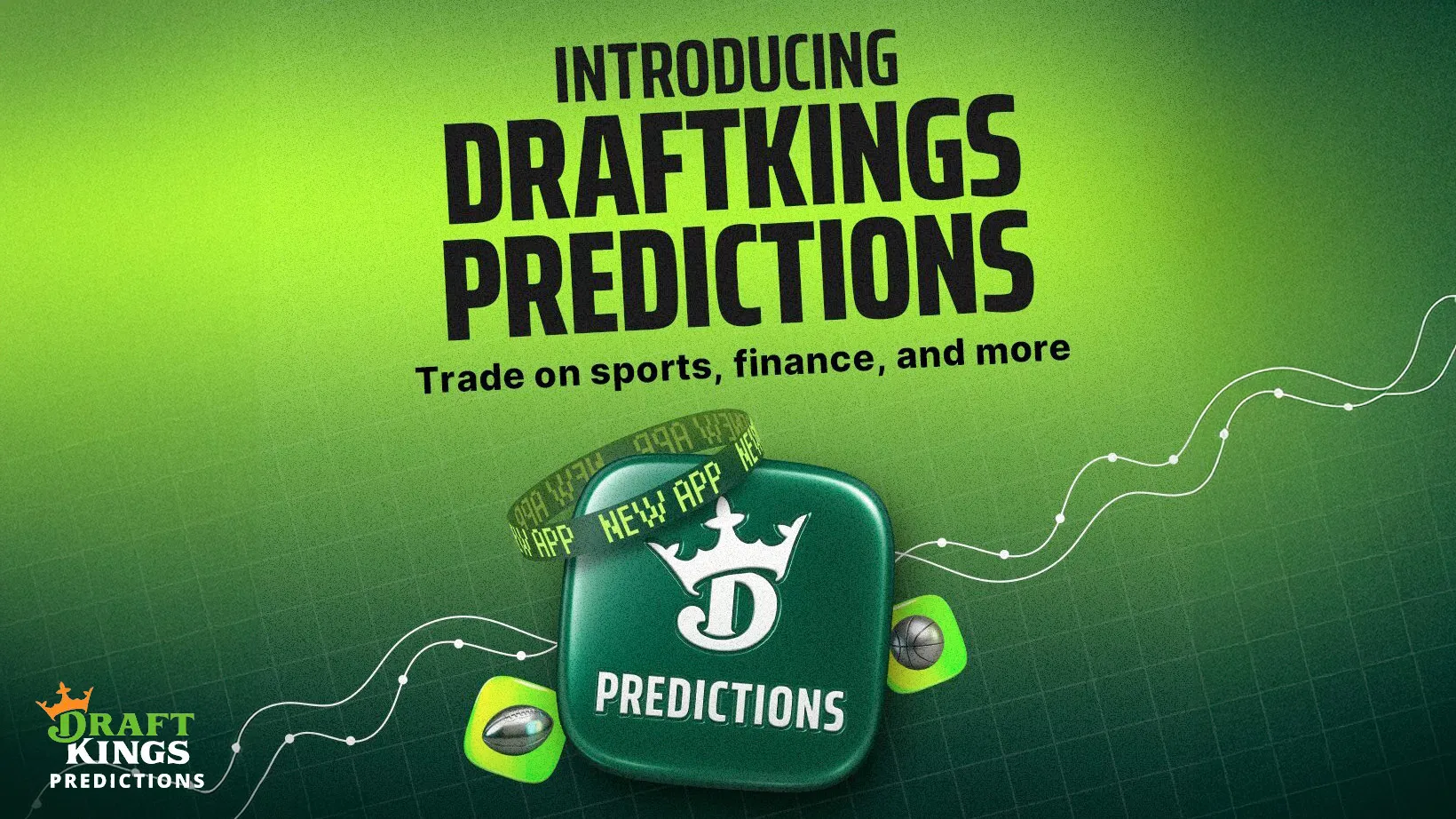
DraftKings’ prediction market feature, known creatively as Predictions, has recently become operational in 38 states. This move includes areas where traditional sportsbook activities are not yet authorized, thereby broadening the accessible user base. The expansion is part of a strategic effort to integrate prediction event contracts into the existing platform, allowing users to engage with a variety of outcomes beyond conventional formats.
According to reports, this rollout follows a period of testing and regulatory navigation, enabling the feature in regions that previously lacked such options. The inclusion of additional states is anticipated to increase user engagement metrics, as measured by handle and participation rates. Data from early implementations suggest that this could lead to incremental contributions to overall metrics, though exact figures remain subject to ongoing monitoring.
One aspect of this expansion involves adapting the platform to comply with federal regulations governing event contracts. This has required coordination with oversight bodies to ensure that offerings align with legal standards. The process has involved phased introductions, starting with select categories and gradually incorporating more diverse events to test market reception.
Industry observers note that this territorial growth could position the company to capture a larger share of the event contract segment. However, the pace of adoption will depend on user education and integration with existing services. Preliminary indicators from the initial states show varied uptake, with some regions demonstrating higher initial volumes due to pre-existing user bases.
Partnerships and Product Enhancements
To support the expansion, DraftKings has formed alliances with entities such as Crypto.com and Railbird Exchange. These collaborations aim to diversify the types of contracts available, extending beyond sports to include categories like culture, entertainment, and politics. The partnership with Crypto.com, for instance, facilitates player-specific event trading for professional leagues, enhancing the granularity of offerings.
The integration with Railbird Exchange provides access to a regulated derivatives platform, which is intended to improve control over market creation and pricing. This vertical integration could reduce dependency on external providers and potentially optimize economic terms for the company. Reports indicate that this setup allows for the introduction of new contract types, which may appeal to a broader demographic.
| Partnership | Key Focus | Potential Benefits |
|---|---|---|
| Crypto.com | Player-specific event trading | Increased variety in professional league contracts |
| Railbird Exchange | Regulated derivatives integration | Enhanced control over pricing and market creation |
These enhancements are designed to evolve the Predictions feature from a supplementary tool to a core component of the platform. By expanding the menu of available contracts, the company seeks to attract users interested in non-traditional events, potentially increasing retention and cross-engagement with other services. However, the success of these integrations will hinge on seamless user experiences and competitive pricing structures.
Further details from financial updates reveal that these partnerships are part of a broader investment in technology and infrastructure. This includes backend improvements to handle increased trading volumes and ensure real-time updates. The goal is to create a robust ecosystem that can scale with demand, though initial costs associated with these developments are factored into forward-looking statements.
Financial Projections and Guidance
In recent earnings communications, DraftKings provided guidance for 2026, projecting revenue between $6.5 billion and $6.9 billion. This range incorporates expected contributions from the Predictions segment, alongside core operations. Adjusted EBITDA is forecasted at $700 million to $900 million, reflecting investments in customer acquisition and product development.
The guidance follows a strong fourth-quarter performance in 2025, where revenue reached approximately $1.99 billion, marking a 43% year-over-year increase. Despite this growth, the stock experienced a decline post-announcement, attributed to the conservative outlook relative to prior expansion rates. The projections account for continued investments in the prediction market segment, which is viewed as a long-term driver.
| Metric | 2025 Q4 Actual | 2026 Guidance |
|---|---|---|
| Revenue | $1.99 billion | $6.5 – $6.9 billion |
| Adjusted EBITDA | N/A | $700 – $900 million |
| Handle Growth | 11% YoY to $54 billion | Incorporated in revenue projections |
Leadership has indicated that the Predictions initiative could generate hundreds of millions in annual revenue in the coming years. Broader industry estimates suggest a potential $10 billion gross revenue opportunity over time, based on analyst models and internal assessments. These figures are derived from total addressable market calculations, which include both existing and emerging segments.
The financial model for Predictions involves a revenue structure that differs from traditional margins, potentially offering higher scalability due to lower incremental costs per contract. However, the guidance includes provisions for marketing expenditures aimed at promoting the new features, which may temper short-term profitability metrics.
Analyst Perspectives on Stock Performance
Analysts have expressed a range of views on the implications of this expansion into the prediction markets for stock performance. Some highlight the underappreciated potential of the Predictions segment, suggesting it could catalyze revaluation. For instance, projections from firms like BMO Capital point to concerns over guidance but acknowledge minimal current impact from competing platforms.
Other analyses, such as those from BofA Securities, anticipate possible upward revisions to revenue guidance, potentially reaching $8.5 billion to $9.1 billion by later periods. This optimism is based on the scalability of event contracts and the ability to leverage existing infrastructure for new revenue streams.
A contrarian viewpoint posits that the current DraftKings stock dip represents a buying opportunity, as the core high-margin products remain insulated from direct competition. This perspective emphasizes the structural advantages in certain wagering formats that prediction markets may not replicate effectively.
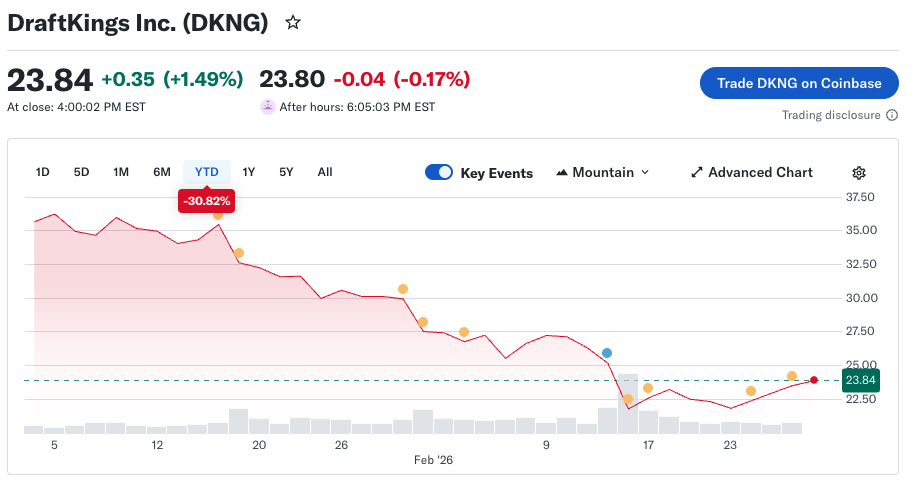
Overall, analyst ratings vary, with some maintaining buy recommendations citing long-term growth prospects, while others adopt a more cautious stance pending evidence of sustained adoption. Stock movements post-earnings, including a 15% drop, reflect these mixed sentiments, though recovery potential is tied to execution in the expanded segments.
Risks and Challenges in the Expansion
The pursuit of prediction market growth is not without risks. Financial disclosures outline potential legal and regulatory hurdles that could impact product availability and operational licenses. These include uncertainties related to CFTC federal oversight of event contracts, which may evolve with changing policies.
Additionally, there are concerns about financial losses associated with heavy investments in customer acquisition and technology. If adoption rates fall short of projections, this could lead to underutilized resources and pressure on margins. Reports also mention the possibility of negative publicity stemming from regulatory scrutiny or market manipulations.
| Risk Category | Description | Potential Impact |
|---|---|---|
| Regulatory | Evolving federal rules on event contracts | Restrictions on offerings or operations |
| Financial | High acquisition costs | Short-term profitability erosion |
| Competitive | Rival platforms’ influence | Market share erosion in specific segments |
Competitive pressures from specialized platforms are another factor, though management asserts minimal current effects on core metrics. Monitoring will be essential to assess whether expanded offerings mitigate or exacerbate these dynamics. Furthermore, scalability trade-offs may arise as the platform handles diverse contract types, requiring ongoing investments in compliance and technology.
Market Opportunity and Long-Term Outlook
The total addressable market for prediction markets is estimated by some analysts to reach up to $1.3 trillion in volume, encompassing a wide array of event types. DraftKings’ strategy positions it to capture a portion of this through its integrated approach, leveraging user data and cross-promotion capabilities.
Long-term projections suggest that successful execution could transform Predictions into a significant revenue pillar, potentially contributing substantially to overall growth. This is supported by internal targets aiming for billions in gross revenue, aligned with industry forecasts.
However, realizing this opportunity will require navigating the aforementioned risks while demonstrating consistent user growth and engagement. The expansion into non-sports categories such as politics, pop culture, and crypto represents a diversification effort that could reduce dependency on seasonal events, providing more stable revenue patterns.