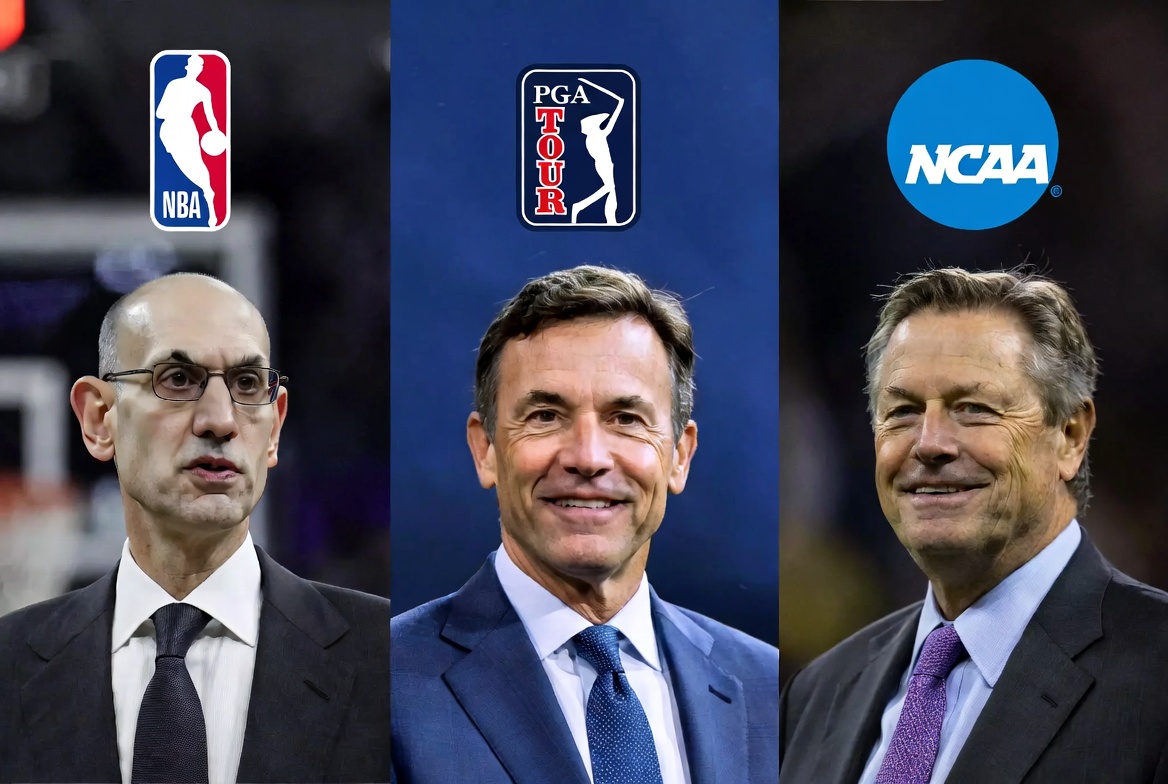
Major U.S. sports organizations deliver a strong coordinated message that could transform participation rules across sports prediction markets. The NBA, PGA Tour, and NCAA formally urge federal regulators to set the minimum betting age at 21 for contracts tied to athletic outcomes. This unified stance addresses growing concerns about financial risks and behavioral impacts on younger participants who trade based on game outcomes, player performances, and tournament results.
League submissions to the Commodity Futures Trading Commission (CFTC) emphasize the need for uniform standards that align prediction market rules with traditional sports wagering protections. Executives highlight how current 18-and-over access creates inconsistencies that expose developing fans to unnecessary vulnerabilities. Consequently, the push for a sports prediction market betting age of 21 gains momentum as regulators shape the industry’s future framework.
NBA Demands 21 Minimum Age for All Sports Prediction Market Contracts, Citing Material Financial Risks
NBA leaders submit detailed comments that outline urgent reforms. Trading in sports prediction contracts carries material risks of financial loss that prove especially sharp for younger individuals, according to the league’s filing. Dan Spillane, the NBA’s executive vice president and assistant general counsel, calls for a categorical prohibition on trading by anyone under 21.
Short of a complete ban, the NBA proposes restricting direct marketing of sports products to the 18-20 age group. This targeted approach limits exposure while preserving broader access for adults. NBA officials continue stressing protections that maintain game integrity and public confidence in competitions.
PGA Tour Joins Call to Increase Sports Prediction Market Age Requirement to 21 for Event Contracts
PGA Tour executives add powerful support to the reform effort. Andy Levinson, senior vice president of tournament administration, requests an increase in the age requirement for participants in sports events contracts to 21. This position aligns the premier golf circuit with fellow organizations and reinforces shared priorities around responsible engagement.
Golf leaders recognize unique pressures that younger enthusiasts face when trading on tournament results and individual player achievements. Elevating the threshold reduces impulsive choices among emerging adults. Moreover, the change builds greater confidence in the fairness of global competitions that draw massive audiences.
NCAA Warns of Harm to College Students and High School Athletes from Lower Sports Prediction Market Age Limits
NCAA officials raised pointed concerns about vulnerabilities in collegiate athletics. The association highlights how the current age disparity risks drawing college students and potentially high school students into these markets in ways detrimental to their well-being. Charlie Baker, NCAA president, cites the addictive potential of wagering on sports outcomes as a driving factor for swift regulatory action.
The NCAA specifically urges restricting college sports prediction markets to participants aged 21 and older. This safeguard layer protects the values of amateur athletics. Thus, the organization positions itself firmly as a defender of educational and competitive principles that define intercollegiate sports.
League Positions on Raising Sports Prediction Market Betting Age to 21
| Organization | Requested Age Limit | Primary Rationale |
|---|---|---|
| NBA | 21 for all sporting events contracts | Increase the age requirement for participation in event contracts tied to golf tournaments and outcomes |
| PGA Tour | 21 for sports events contracts | Increase age requirement for participation in event contracts tied to golf tournaments and outcomes |
| NCAA | 21+ for college sports prediction markets | Protects student-athletes and high school prospects from detrimental exposure and addictive wagering patterns |
Broader Impact of Implementing a 21 Age Limit Across Sports Prediction Markets
Federal adoption of the 21 minimum would deliver lasting safeguards for participants while strengthening the sports industry. Younger adults would face fewer chances for impulsive commitments linked to real-time athletic events. Organizations, therefore, expect reduced problem behaviors that undermine trust in competitions.
The adjustment would prompt platforms to strengthen verification systems that benefit every user. League representatives continue highlighting how these measures enhance the appeal of trading on game results and seasonal storylines. Additionally, the alignment prevents developing fans from encountering disproportionate risks compared to standard wagering environments.
Advertising Restrictions Complement the Push for Higher Sports Prediction Market Age Requirements
Regulators who stop short of a full age increase still receive NBA proposals for limits on promotions targeting 18-20-year-olds. This fallback provides meaningful protection by reducing aggressive outreach aimed at swaying impressionable participants. PGA Tour and NCAA submissions reinforce responsible marketing across all channels.
Officials argue that advertising controls work together with age thresholds to create layered defenses. Consequently, the sector moves toward practices that respect developmental stages. Moreover, these steps bring prediction market operations closer to expectations in established athletic wagering settings.
Unified Action by the NBA, PGA Tour, and NCAA Strengthens Sports Integrity in Prediction Markets
The three organizations forge a formidable alliance that crosses sport boundaries in pursuit of reform. Their CFTC submissions exemplify collaborative leadership on issues affecting millions of enthusiasts who engage with sports prediction markets. This coordinated effort captures the deep passion these leagues bring to safeguarding the essence of competition.
Regulators now hold clear evidence-based recommendations that prioritize participant well-being. The leagues continue providing expertise to support thoughtful federal decisions. Thus, the conversation advances toward balanced policies that embrace innovation while upholding responsibility.
Watch this discussion on regulatory challenges facing sports wagering and prediction platforms:
References
- NBC News – NBA, PGA, and NCAA push for higher age minimum for sports prediction markets
- Yahoo Sports – NBA, PGA, and NCAA push for higher age minimum
- Closing Line – NBA, PGA Tour Ask CFTC To Make Sports Event Contracts 21+
- Front Office Sports – Leagues Weigh In on Future Prediction Market Regulation
- ESPN – NBA asks regulator to tighten restrictions on prediction markets
- NBC News X Post on NBA, PGA, NCAA Age Limit Push
- OANN Facebook Video on Leagues Calling for Age Raise