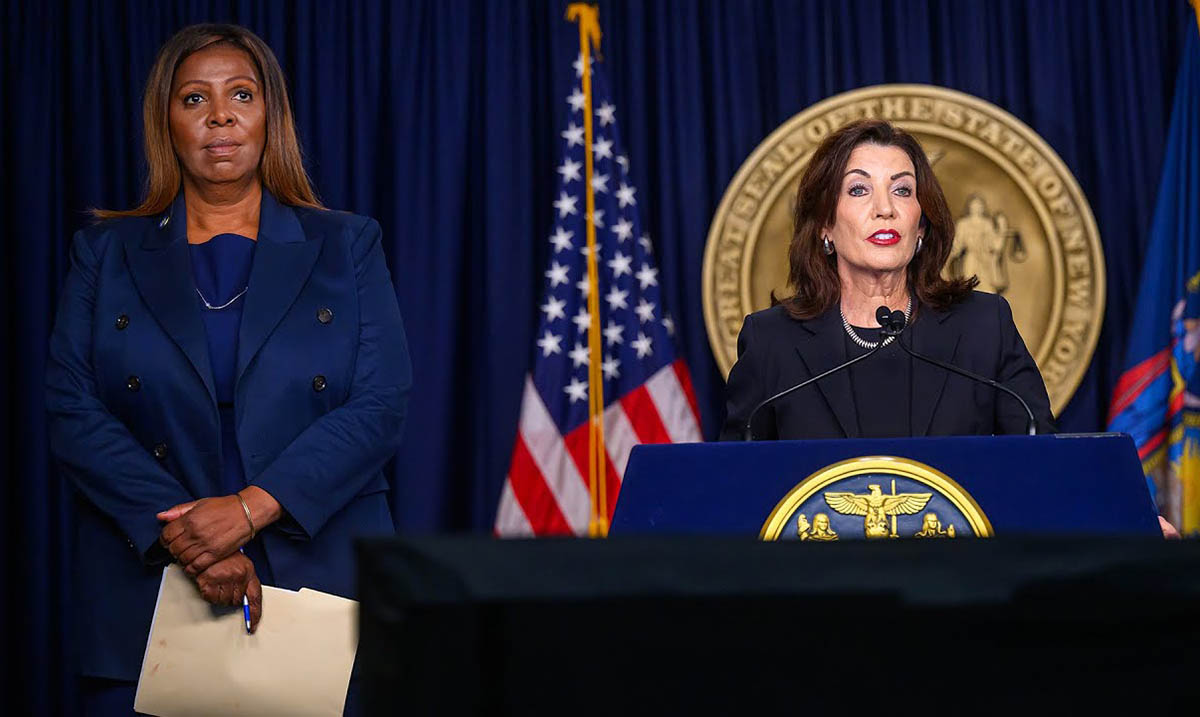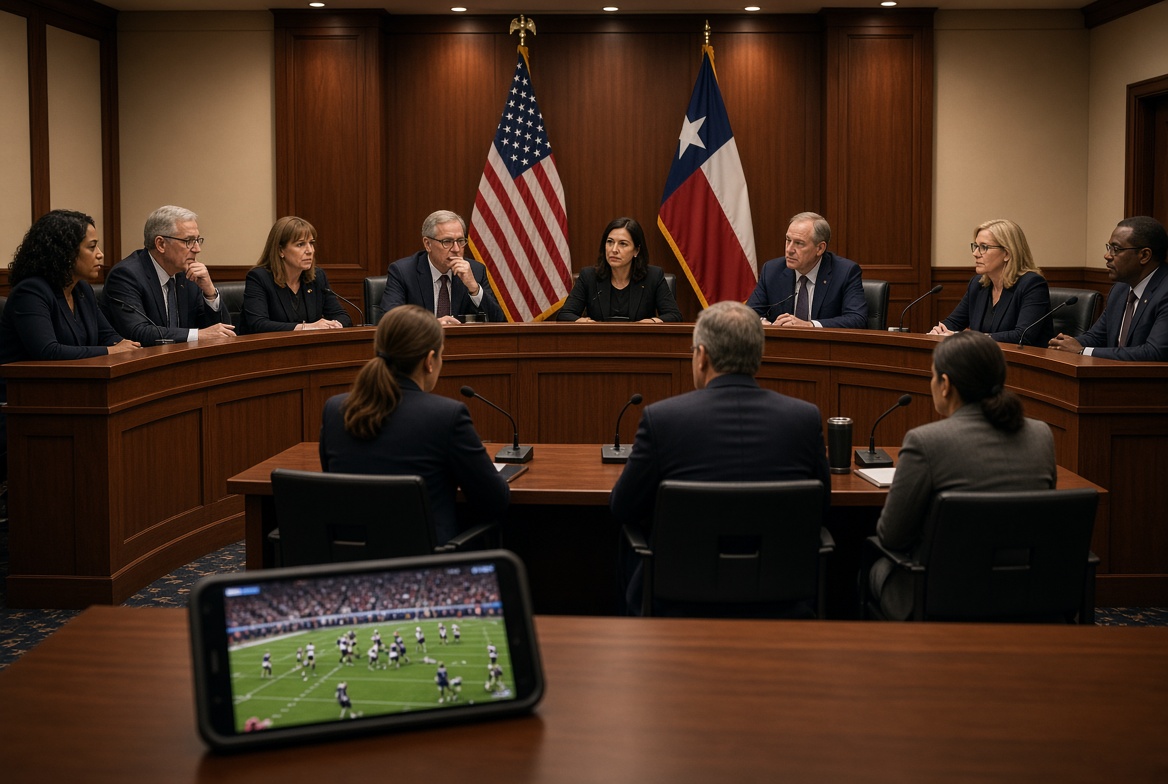
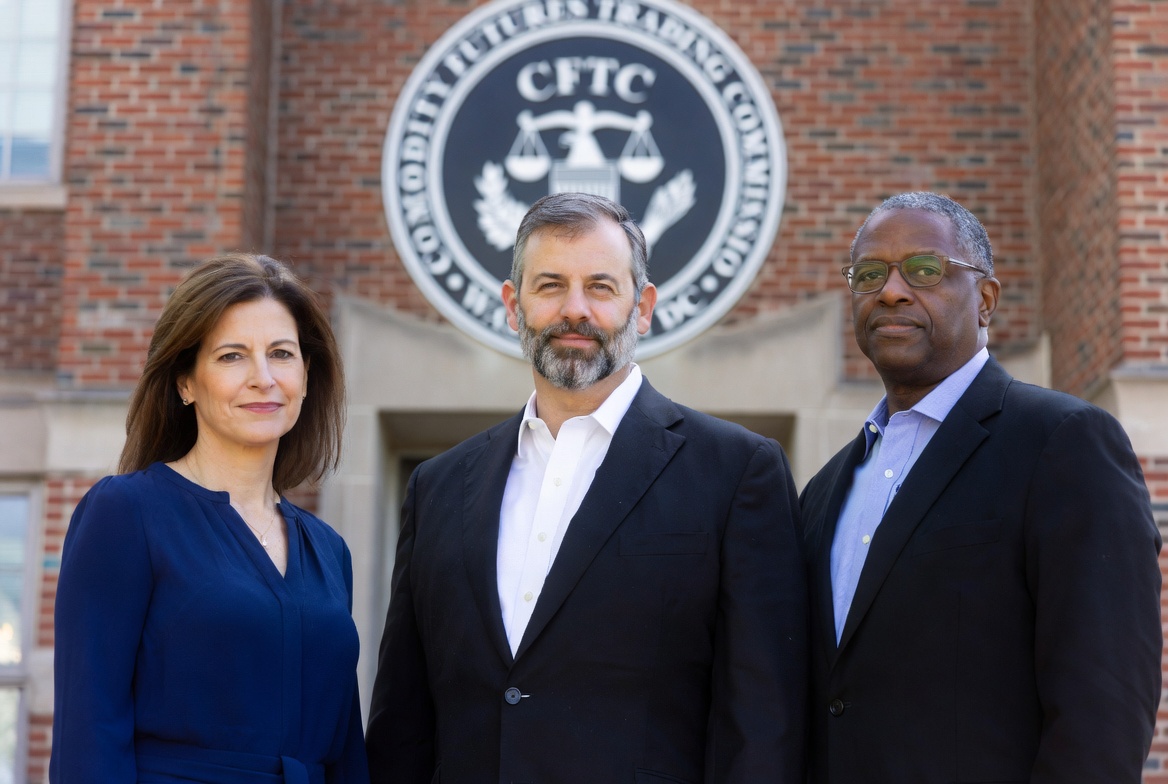
A powerful coalition of 41 attorneys general delivered a forceful bipartisan message to federal regulators. They filed a formal comment demanding that the Commodity Futures Trading Commission acknowledge that it has no authority over sports-related event contracts. This unified stance highlights a growing clash between state sovereignty and federal regulatory ambitions in the regulation of sports prediction markets.
The attorneys general argue these contracts operate exactly like sportsbooks yet evade the consumer safeguards and tax obligations that states enforce. Their letter responds directly to the CFTC’s ongoing rulemaking process on event contracts. States now insist the commission must step back through clear rulemaking and leave sports gambling regulation where it belongs.
Bipartisan Coalition of Attorneys General Challenges Federal Power Grab in Sports Prediction Markets Regulation
Attorney General Jennifer Davenport of New Jersey co-led the effort alongside attorneys general from Ohio, Nevada, New York, Tennessee, and Utah. The group includes participants from across the country, plus the District of Columbia, totaling 41 officials who span party lines. Their joint submission emphasizes that sports event contracts fall squarely outside the CFTC’s statutory reach.
“Prediction markets have no right to offer sports gambling in violation of the bedrock rules that other wagering operations follow” — Attorney General Jennifer Davenport
She stressed that states possess longstanding authority to oversee gaming within their borders. This power protects residents from addiction risks, deters insider trading, and generates essential revenue for public services.
Ohio Attorney General Dave Yost echoed the sentiment when he co-signed the letter. He described the contracts as gambling, no matter how platforms dress them up. The coalition’s action comes amid the CFTC’s advance notice of proposed rulemaking, which invited public input on prediction market regulations.
Core Similarities Highlighted in Bipartisan Filing on CFTC Jurisdiction Over Sports Prediction Markets
| Aspect of Wagering | Traditional Sportsbook Bets | Sports-Related Event Contracts |
|---|---|---|
| Consumer Transaction | Stake money on an uncertain sports outcome | Win or lose based on the final score or stat |
| Binary Result | Win or lose based on the final score or stat | Win or lose based on final score or stat |
| Odds Structure | Moneyline, spread, totals, props | Moneyline, spread, totals, props |
| Purpose Served | Entertainment wagering | Entertainment wagering |
| Regulatory Fit | State gambling laws apply | States argue same laws must apply |
The letter lays out these parallels in meticulous detail. Traditional sports bets and sports-related event contracts offered on designated contract markets show no meaningful differences. Players choose among uncertain outcomes in both cases, and the payout remains binary while odds determine the wager’s value.
Legal definitions reinforce the coalition’s position. State statutes across the country define a wager as risking value on a future contingent event not under the bettor’s control. Federal statutes such as the Unlawful Internet Gambling Enforcement Act align with this view and treat staking money on sports contests as betting, regardless of the label applied.
CFTC Lacks Jurisdiction According to Attorneys General Filing on Sports Event Contracts Oversight
The coalition asserts that sports event contracts fall outside the statutory definition of a swap. They cite clear-statement rules of statutory interpretation and the plain text of the Commodity Exchange Act. Gambling regulation remains a core element of states’ traditional police powers, a principle upheld by longstanding Supreme Court precedent.
“The CFTC should recognize the limits of its power and affirm that states have the expertise, experience, and tools to regulate sports betting as they have for more than a century,” the letter states.
Attorneys general note the commission itself has repeatedly acknowledged its limited ability to oversee sports gambling effectively.
Moreover, the filing references congressional intent during the Dodd-Frank Act amendments. Senators at the time warned against allowing gambling through supposed event contracts used predominantly by speculators. The attorneys general, therefore, urge the commission to confirm through rulemaking that it holds no jurisdiction over these sports-related instruments.
This demand arrives as several courts have already sided with states in related disputes. The bipartisan group believes federal preemption would divert hundreds of millions in potential revenue from state budgets that support public safety, education, and infrastructure projects.
Consumer Protections Hang in Balance as Attorneys General Push for State Control of Sports Prediction Markets Regulation
States stand ready to apply rigorous safeguards that prevent underage participation and combat problem gambling. The coalition highlights how millions of Americans already qualify as problematic or pathological gamblers when sports wagering lacks proper oversight. Federal regulation simply cannot replicate the localized consumer protections that states have refined over decades.
Attorney General Anthony G. Brown of Maryland joined the filing and emphasized the need to deter insider trading through state-level enforcement. He and his colleagues argue that platforms currently operate as unregulated sportsbooks. This setup ignores tax requirements and consumer protections mandated under state gambling laws.
Additionally, the letter stresses that states possess the institutional knowledge to balance economic benefits with public health risks. They can legalize and regulate sports wagering, or outright prohibit it, based on local priorities and voter preferences. The CFTC, by contrast, lacks both the mandate and the mechanisms to address these nuanced concerns.
This embedded video explores the ongoing regulatory conflict between state-licensed operators and federally overseen platforms. It underscores the stakes for sports integrity and consumer choice in real time.
Implications for Sports Industry Integrity: Drive Attorneys General Unified Call on CFTC Sports Prediction Markets Jurisdiction
Sports leagues and governing bodies have expressed parallel concerns about the risks of market manipulation. The attorneys general’s filing amplifies these worries by insisting that only state regulation can integrate event contracts seamlessly with existing wagering frameworks. This approach preserves the fairness that fans expect from professional and collegiate competitions.
The coalition’s action signals a broader pushback against federal expansion into areas historically reserved for states. Their comment responds precisely to the CFTC’s invitation for input on event contract prohibitions and cost-benefit analyses. Officials believe the commission must now act decisively to affirm its jurisdictional boundaries.
Iowa Attorney General Brenna Bird participated in the coalition and noted that these platforms attempt to circumvent state regulations and taxes. She and fellow signatories view the filing as a necessary defense of sovereign authority. The bipartisan nature of the group demonstrates that this issue transcends partisan divides and centers on fundamental principles of federalism.
The attorneys general collectively call on the CFTC to issue a rulemaking that removes any ambiguity. Such clarity would empower states to enforce their gambling laws uniformly and close loopholes that currently favor unregulated operators.
States Prepare to Defend Regulatory Authority Following Bipartisan Comment on Sports Prediction Markets Oversight
Legal professionals anticipate potential court challenges if the CFTC declines to heed the coalition’s recommendation. Several attorneys general have already initiated enforcement actions against platforms they deem noncompliant with state statutes. This momentum suggests the filing represents only the opening salvo in a sustained effort to reclaim oversight.
Colorado Attorney General Phil Weiser joined the group and pointed to his state’s voter-approved system that directs sports wagering revenue toward water infrastructure. He argues federal oversight would create dangerous loopholes that erode these carefully crafted protections. Similar stories unfold across participating jurisdictions where regulated betting supports essential public priorities.
The letter’s detailed analysis of statutory language and historical precedent builds an airtight case for state primacy. Attorneys general from every region united to deliver this message. Their coordinated voice carries significant weight as the CFTC weighs its next steps in the rulemaking process.
Ultimately, this bipartisan initiative champions the principle that states best serve their residents by tailoring sports wagering rules to local needs and values. The coalition’s filing injects fresh energy into the national conversation about balancing innovation with accountability in sports-related financial instruments.
References
- Ohio Attorney General Dave Yost Press Release on Coalition
- Full Text of the 41 Attorneys General Comment Letter to CFTC
- New Jersey Attorney General Jennifer Davenport Announcement
- Iowa Attorney General Brenna Bird Statement
- Illinois Attorney General Kwame Raoul’s Participation
- New Jersey Globe Coverage of Bipartisan Push
- Colorado Attorney General Phil Weiser’s Role in Coalition
- New Jersey OAG Facebook Post on Sports Betting
- YouTube: CFTC vs States Legal Battle Over Prediction Markets