Published: November 14, 2026
The legal fights between states and prediction markets continue in full swing.
According to reports, users still managed to trade on Friday. Platforms had not finished blocking access from Louisiana on the first day after the order. Kalshi later told customers, “Your government says you can’t use Kalshi anymore,” and said the state had moved “without a hearing, notice, or due process.” The temporary order runs 10 days from the 3:48 p.m. signing, so it is set to expire around November 22 unless the court extends it. A hearing on the state’s request for a preliminary injunction is scheduled for 9 a.m. on November 30 in Tangipahoa Parish.
Louisiana is treating the contracts as illegal gambling. As they always maintain in these matters, the platforms say they are CFTC-regulated products that states cannot touch. The Commodity Futures Trading Commission sued Louisiana the next day to stop the state order from reaching its regulated markets. Traders and the companies now have a short window before the November 30 hearing decides whether the freeze stays in place.
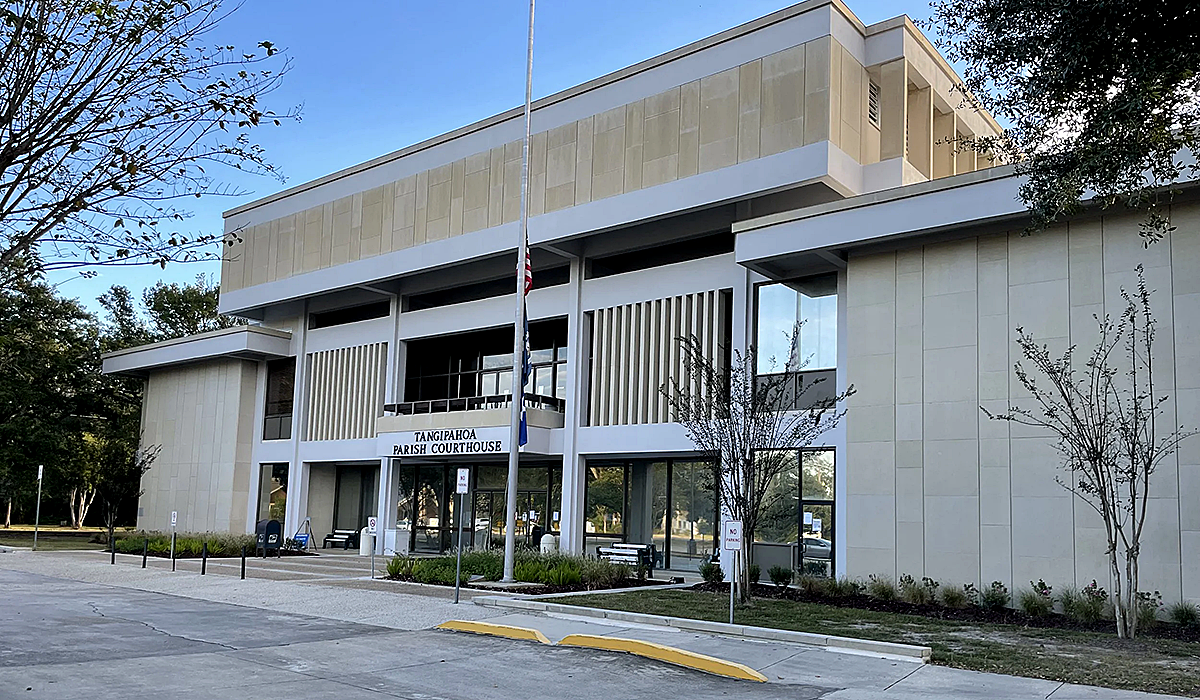
The Tangipahoa Parish Temporary Restraining Order Explained
AG Murrill filed the case in the 21st Judicial District Court for the Parish of Tangipahoa on the morning of November 12. The petition named more than 30 entities tied to about a dozen platforms. Later that afternoon, Judge Johnson signed the order without first hearing from the companies. That evening, Murrill posted pages of the order on X and said a Louisiana judge had barred the operators from continuing “unlicensed and unregulated illegal gambling in Louisiana.”
The order stops the defendants from offering, listing, accepting, clearing, settling, brokering, or otherwise facilitating any “event contract” (also called a wager) for anyone located in Louisiana unless they hold a valid state license and permit. It also requires them to geofence the state so people inside Louisiana cannot access the restricted contracts. The companies cannot tell Louisiana customers that the products are lawful or authorized. Once they know about the order, the ban also covers their officers, agents, employees, and anyone acting on their behalf.
Murrill has not softened the language. In a second X post, she wrote, “It’s not complicated: if you aren’t a licensed gaming operator, you aren’t legal. Illegal gambling is a crime and is subject to jail time and significant penalties.” She added that judges around the country have already called the activity gambling and that changing the name does not change what Louisiana law says. Gaming attorney Daniel Wallach noted on X that the suit hit “virtually the entire industry” in one case and produced the first same-day temporary restraining order of this size.
News reports showed the order did not shut everything down overnight. Some Kalshi users in Louisiana could still open positions Thursday evening. By Friday, at least one major platform had started sending notices. Robinhood stopped the relevant contracts in the state on Thursday. The order is only temporary. It freezes activity while the court decides whether to keep the restrictions in place longer.
Federal Pushback From the CFTC and Platform Responses
On November 13, the Commodity Futures Trading Commission and the Department of Justice sued Louisiana in federal court in New Orleans. They want the court to block the state from enforcing the Tangipahoa Parish order against CFTC-regulated designated contract markets, futures commission merchants and derivatives clearing organizations. CFTC Chairman Michael S. Selig said event contracts have traded in Louisiana for years under the Commodity Exchange Act. He called the state’s filing “naked lawfare and a cynical political stunt.” Selig said the commission’s suit is meant to hold the line until federal courts sort out the preemption question.
This is the 12th state the CFTC has sued over the same issue. Kalshi already had its own federal case against Murrill, Governor Jeff Landry and state gaming officials, filed on October 23. The same day the state-court order came down, Kalshi asked that federal court for its own temporary restraining order and preliminary injunction. It argues the Commodity Exchange Act overrides state gambling laws when applied to its contracts.
Kalshi Sends Notice to Users
Kalshi’s Friday notice to Louisiana users focused on the lack of a hearing. The company said the state had cut off access “to all of the markets you love to trade” without notice or due process. Jovy Dedaj, Kalshi’s head of litigation, had posted earlier on X that “the operation of federally-regulated exchanges is the exclusive province of the federal government. Full stop.” Polymarket filed its own preemptive federal suit in the Eastern District of Louisiana earlier. They made the same preemption argument. Polymarket pointed out that Louisiana’s sports-wagering licenses are structured in a way that leaves little practical room for out-of-state platforms.
Other companies lined up the same way. A Robinhood spokesperson said its event contracts run through a CFTC-registered entity and therefore fall under federal rules. The Coalition for Prediction Markets called the Louisiana action an unlawful grab of authority over markets that federal law already covers. The result is two tracks running at once: the November 30 hearing in Tangipahoa Parish and the federal cases trying to declare the state’s enforcement preempted.
What Louisiana Traders and Platforms Face Before November 30
The temporary restraining order ends on the tenth day after it was signed unless the court extends it or the parties agree to more time. That puts the likely expiration around November 22, leaving an eight-day gap before the November 30 hearing. If the judge grants a preliminary injunction at that hearing, the restrictions would stay in place for the rest of the case. For Louisiana traders, November 30 is the next clear point that decides whether access returns or the freeze continues.
The platforms now have to figure out how tightly to enforce the geofence and the notices while the order is still active. Full compliance means location checks that keep people inside Louisiana from opening or holding the covered contracts. Slow or incomplete blocking could bring contempt findings if the court later decides the companies knew about the order and did not act. Some of the companies are still arguing in their federal cases that any state-ordered geofence itself breaks federal law and the impartial-access rules that apply to CFTC markets.
Traders Face an Unknown Future
Traders who used these platforms for event contracts are already running into practical limits. Those who could still trade on Friday may see access cut off in the next few days as the geofencing rolls out. Open positions may need to be closed or managed under the order. Because the ban applies to anyone physically located in Louisiana, travelers and remote workers inside the state face the same cutoff as residents. The short window before November 30 leaves little time for platforms to rework their products or for traders to move money and positions elsewhere without friction.
The larger fight will keep going no matter what happens on November 30. Federal courts will decide whether the Commodity Exchange Act bars state gambling laws from applying to these contracts. State officials will keep arguing that the products are unlicensed wagering that should pay licensing fees and follow Louisiana’s consumer rules. Traders watching both the Tangipahoa Parish hearing and the parallel federal suits will see those cases shape whether event-contract access comes back quickly, stays limited, or turns into a longer multi-court dispute. The next two weeks will show how much of that access actually survives in the meantime.
References
- Judge halts Kalshi and Polymarket in Louisiana. What’s next? | NOLA.com
- Judge orders halt to prediction markets in Louisiana | NOLA.com
- CFTC Sues Louisiana After State Court Blocks CFTC-Regulated Exchanges
- State judge temporarily blocks prediction markets in Louisiana | Louisiana Illuminator
- Louisiana Judge Blocks Kalshi, Polymarket, 29 Other Prediction Market Entities | Legal Sports Report
- Attorney General Liz Murrell X post announcing the lawsuit
- Attorney General Liz Murrell X post announcing the temporary restraining order
- Louisiana Judge Issues TRO on Kalshi, Polymarket, Robinhood | RG.org
- Kalshi sues Louisiana officials over state gambling laws | WAFB YouTube